Intro To Daily Stretches For Seniors 2
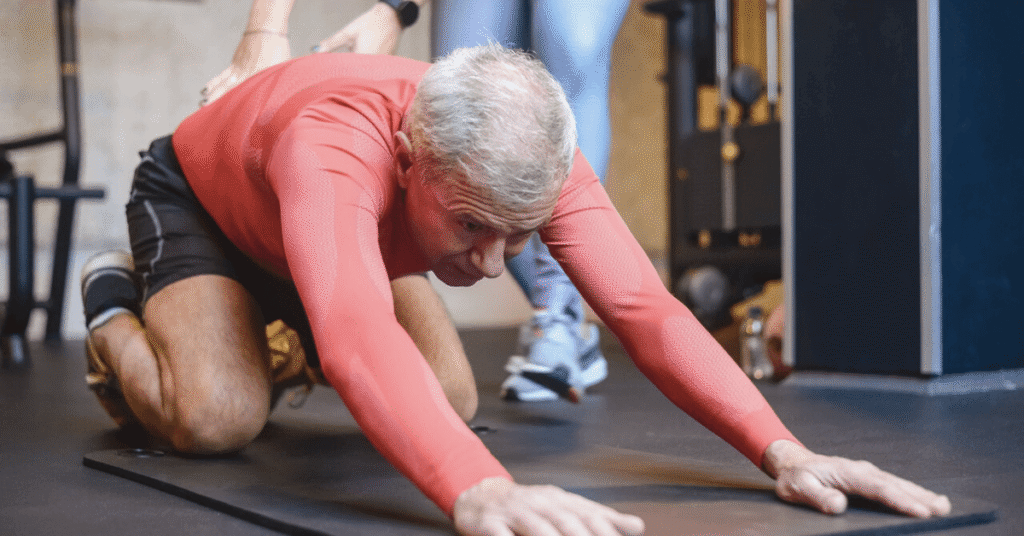
Daily Stretches For Seniors 2. As you age, maintaining flexibility and mobility becomes increasingly important. Regular stretching exercises can play a crucial role in helping seniors stay active, prevent injuries, and improve overall well-being. In this article, we delve into the importance of stretching for seniors, providing practical tips and insights to help you embrace a more flexible and active lifestyle. Also, these stretches are particularly good for helping to relieve pain.
Understanding the Importance of Stretching
Daily Stretches For Seniors 2. Maintaining an active lifestyle is vital for seniors, and stretching exercises are a cornerstone of physical health as you age. Integrating flexibility exercises into your daily routine can lead to improved muscle strength, enhanced blood flow, and a reduction in risk, of injury, especially in the lower back. Here, stretching can target major muscle groups, promoting a full range of motion and aiding in the relief of pain in tight muscles and stiff joints, common issues during old age.
Understanding the health benefits of a regular stretching routine goes beyond just physical well-being, encompassing mental health improvements, as well as pain relief. So then, tailoring activities to fit your needs, of simple daily stretches, can result in improved balance and coordination. Also, this can significantly reduce the risk of falling—a major concern among older people. Engaging in varied forms of exercise ensures not only the maintenance of strength but also fosters a greater quality of life through increased mobility and engagement in everyday activities.
1. Prayer Stretch
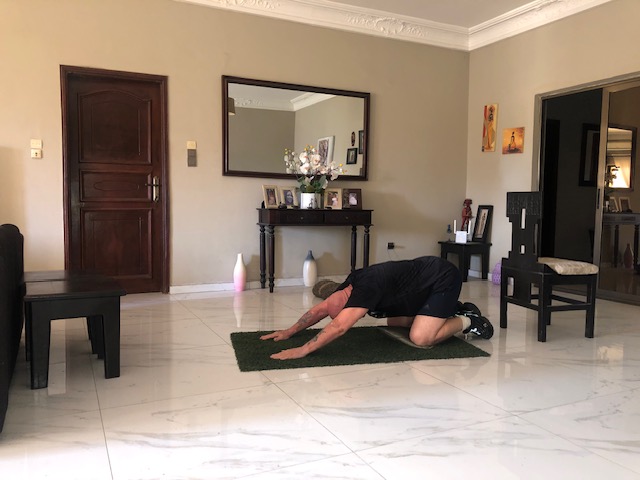
Daily Stretches For Seniors 2. This stretch can be done best on all fours. Furthermore, it helps to alleviate, neck, shoulder, upper back, and hip pain.
How To Do It
- Start on all fours (hands and knees) then sit back as far as you can to your heels
- Arms remain stretched out in front,
- Your head should be between your arms for four breaths
- then return to the start
- repeat 3 to 4 times or as much as you need if relieving pain
2. Angel Stretch
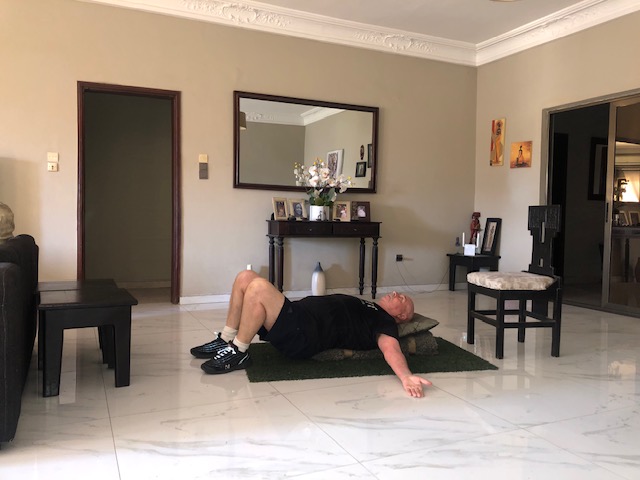
Daily Stretches For Seniors 2. This stretch is done with a foam roller, or a substitute, but could be done without them
How To Do It
- Lay on the roller use a cushion for your head if needed.
- Your hands at your side touching the floor thumbs pointing up.
- Slowly move your hands in a circle towards your head keeping your hands as close to the floor as possible
- Hold for a few seconds at the point it gets difficult to go further
- Repeat a few times, and hold for up to 30 seconds if required to increase your range of movement.
3. Hip Flexor Stretch
How To Do It
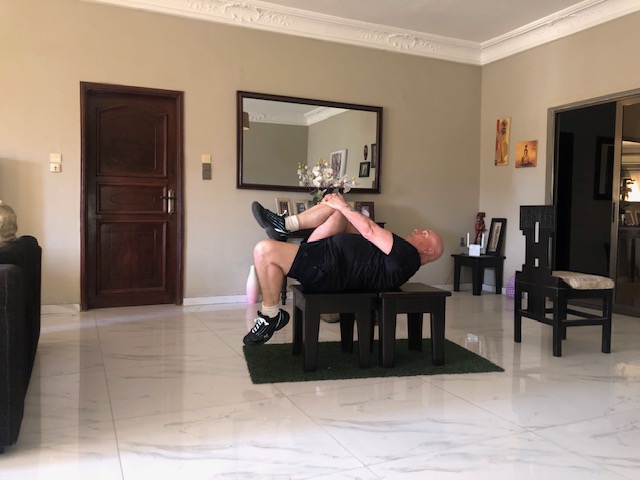
- Sit on the edge of the bed and lay back
- Raise your knees up towards your chest
- Hold one knee with your hands
- Lower the other leg and slowly pull your foot back until you feel the stretch
- Hold for thirty seconds then change legs and do it once more with the other leg
4. Booyah Stick Stretch
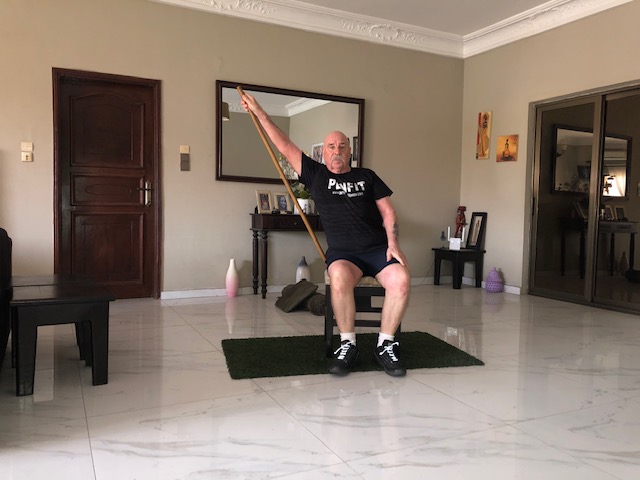
How To Do It
- Seated in a chair hold a stick or brush handle
- Put the bottom of the stick close to your hip
- Reach up as high as you can and hold the stick palm facing away from you
- Slowly lean to the side while facing forward until you feel the stretch along that side
- Repeat on the other side try building this stretch up to 30 seconds
5, Calf Stretch
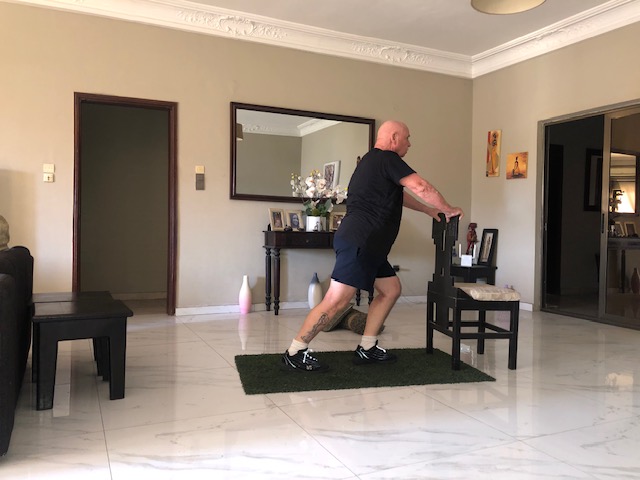
How To Do It
- stand facing a wall with a split stance
- the calf to be stretched should be back and the other one forward
- keep the heel on the ground as you lean forward straighten the rear knee
- once you feel the stretch in your calf, hold for up to 30 seconds
- Relax and change leg position and repeat the stretch
Video
stronger for Longer On Amazon Books
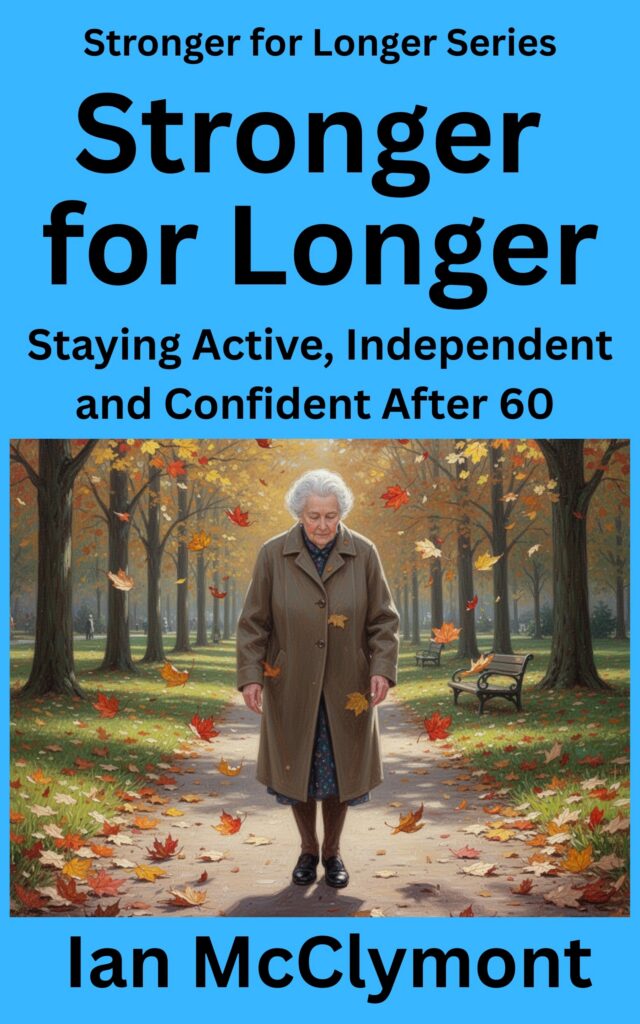
Growing older is something none of us can avoid. But how we grow older is not entirely beyond our control. For many people, ageing is often portrayed as a steady and unavoidable decline — a gradual loss of strength, mobility, confidence, and independence. We are frequently told that slowing down, becoming weaker, and relying more on others is simply the natural order of life. Consequently, over time, many people begin to believe this.
But my experience — and the experience of many others — has taught me something very different. So then, ageing does not have to mean surrendering strength, vitality, or independence. And while it is true that the body changes as the years pass, those changes are not a signal that we must simply accept weakness or inactivity. In fact, many of the problems commonly associated with ageing are not caused by age alone, but by inactivity, poor habits, and a gradual loss of physical resilience.
The human body is remarkably adaptable, even in later life. Here, with the right approach to flexibility, movement, nutrition, discipline, and mindset, it is entirely possible to rebuild strength, maintain balance, protect independence, and remain active well into our later years.
This book is about that possibility
In Conclusion
Stretching keeps the muscles flexible and healthy, and we need that flexibility to maintain a range of motion in the joints. However, without it, the muscles shorten and become tight. But then, when you call on the muscles for activity, they are unable to extend all the way. Subsequently, that puts you at risk for joint pain, strains, and muscle damage.
For example, sitting in a chair all day results in tight hamstrings in the back of the thigh. Furthermore, that can make it harder to extend your leg or straighten your knee all the way, which inhibits walking. And likewise, when tight muscles are suddenly called on for a strenuous activity that stretches them, they may become damaged from suddenly being stretched. Consequently, injured muscles may not be strong enough to support the joints, which can lead to joint injury.
Important Note *
Remember that everyone is different, it is ultimately YOUR RESPONSIBILITY to find what your body responds to. So please do your due diligence before trying anything new, including getting Medical Advice to ensure your safety and peace of mind.
Connect with me and leave a comment