Introduction to Women’s Healthy Ageing Series
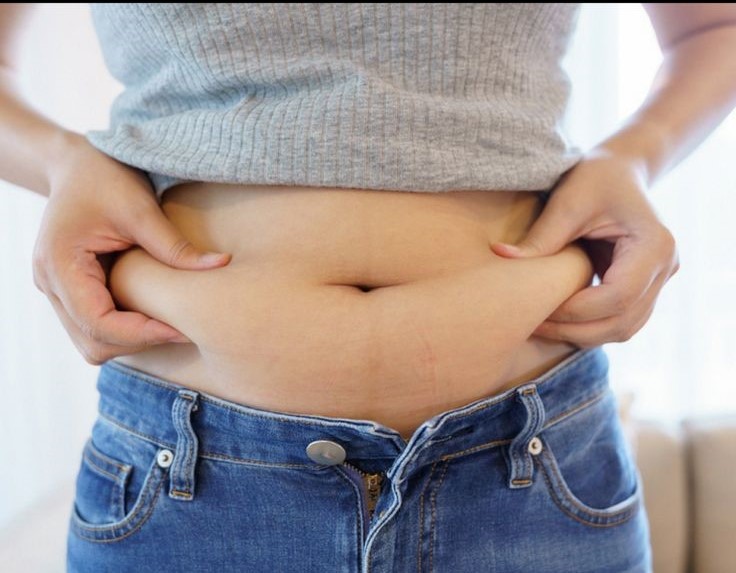
Women’s Healthy Ageing Series. So then, many women notice changes in their weight during and after menopause. And even when their eating habits and activity levels have not changed significantly. However, these changes can feel frustrating, confusing, and emotionally difficult, especially when weight gain seems harder to control than earlier in life.
Consequently, hormonal changes, slowing metabolism, changes in muscle mass, sleep disruption, stress, and lifestyle factors can all contribute to weight gain during this stage of life. Furthermore, understanding why these changes happen is an important first step toward managing them in a healthy and realistic way.
In this article, we explore the causes of menopause-related weight gain, its effects on health and confidence. And practical strategies that may help women maintain wellbeing, mobility, and quality of life during healthy ageing.
1. Understanding Weight Gain After Menopause
Women’s Healthy Ageing Series. As a result, many women become frustrated when they notice weight gain after menopause, even when they are eating much the same as before. Therefore, this can feel discouraging and confusing, particularly when weight seems to increase around the stomach area despite efforts to stay active and eat sensibly. But the important thing to understand is this:
This is very common. For example, changes in hormones, muscle mass, metabolism, sleep, stress, and daily activity can all affect how the body stores fat and uses energy after menopause.
The good news is that there are practical things women can do to support their health, energy, and weight during this stage of life. Here, my wife Lilly has been an important source of guidance and perspective while writing this women’s healthy ageing series, helping ensure these sensitive subjects are approached with understanding, compassion, and respect.
Why It Happens and What Can Help

1. Hormonal Changes After Menopause
During menopause, levels of oestrogen gradually decline.
These hormonal changes can:
- increase appetite
- affect where fat is stored
- make weight gain around the abdomen more common
Many women also experience:
- hot flushes
- poor sleep
- fatigue
- mood changes
All of these can influence eating habits and energy levels.
2. Slower Metabolism and Loss of Muscle
Besides, as we age, the body naturally loses muscle mass. (Sarcopenia)
Muscle burns more calories than fat, even at rest, so losing muscle can gradually slow metabolism.
This means:
women may need slightly fewer calories than before, while still needing high-quality nutrition.
This is one reason why protein becomes increasingly important after 50.
Protein helps support:
healthy ageing
muscle maintenance
strength
mobility
3. Sleep, Stress, and Emotional Eating
In this case, poor sleep is extremely common during and after menopause.
Unfortunately, lack of sleep can:
- increase cravings
- affect hunger hormones
- reduce energy and motivation
Here, stress can also increase cortisol levels, which may contribute to fat storage around the stomach area.
Many women find themselves:
becoming less active due to tiredness
eating for comfort
relying on convenience foods
4. Why Simplicity Often Works Best
In particular, one of the biggest mistakes people make is trying to follow strict or complicated diets.
For many older adults, a simpler approach is often more sustainable.
This may include:
- eating regular balanced meals
- increasing protein intake
- reducing ultra-processed foods
- staying hydrated
- maintaining daily movement
Simple habits followed consistently usually work better than extreme approaches.
5. Strength Training Matters More Than Many Realise
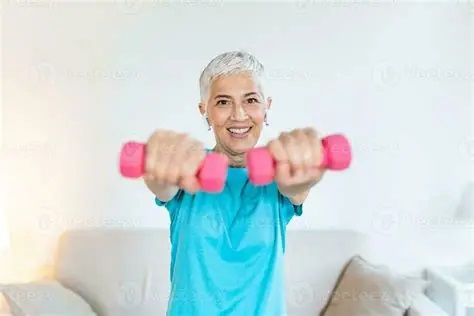
Above all, exercise becomes increasingly important after menopause, particularly strength-based activity.
This does not mean intense gym workouts are required.
Simple activities can help:
- resistance bands
- bodyweight exercises
- walking
- light weights
- gardening and active hobbies
Subsequently, strength training helps maintain muscle, which supports metabolism and independence.
6. A Realistic and Reassuring Approach
By the way, weight gain after menopause is very common.
It does not mean failure, laziness, or lack of discipline.
The body is changing, and the approach to nutrition and exercise often needs to change as well.
The aim should not be perfection.
The aim should be:
- maintaining health
- supporting strength
- improving energy
- protecting independence
Small, consistent changes can make a meaningful difference over time.
Final Thoughts
Women’s Healthy Ageing Series. Therefore, menopause is a major stage of life, and many women notice physical changes during this time.
Understanding what is happening can remove some of the frustration and self-blame that often accompanies weight gain after 50.
A simple approach based on:
- good nutrition
- protein intake
- movement
- sleep
- consistency
can help women support both their health and confidence as they age.
I would be interested to hear from readers who have experienced similar changes after menopause.”
Disclaimer
This article is for educational and informational purposes only and should not be considered medical advice. Besides, readers should consult a qualified healthcare professional regarding personal medical concerns or before making significant changes to diet or exercise routines.
2 Meals A Day After 60
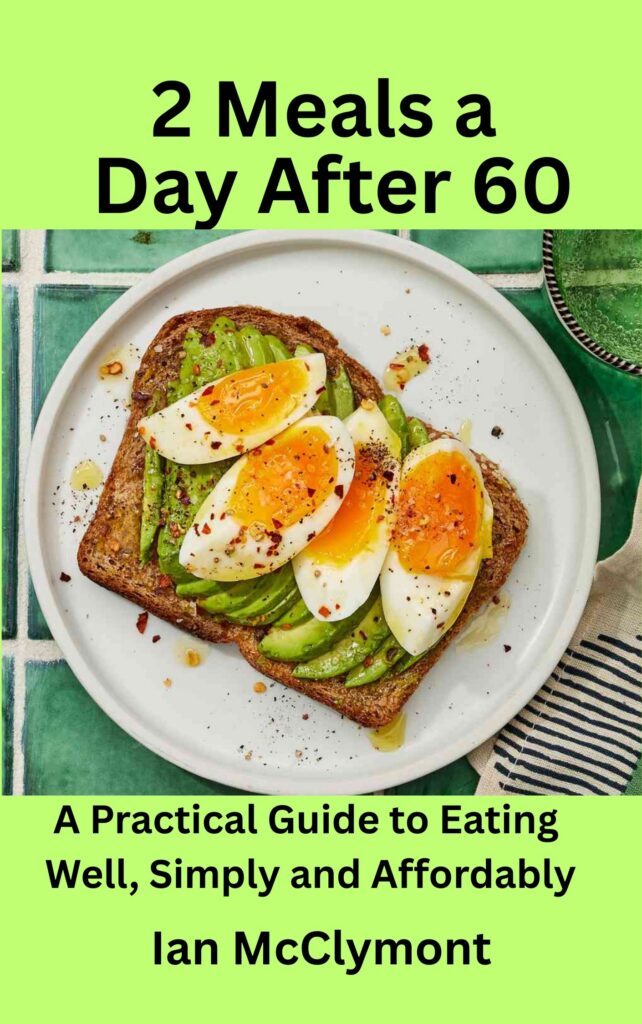
A Practical Way of Eating
As we get older, many things change. And appetite may reduce. Energy needs may shift. Also, daily routines often become simpler. Consequently, at the same time, maintaining strength, energy, and independence becomes more important than ever. And this is where a practical approach to eating becomes valuable. Furthermore, You do not need to eat more often. You need to eat well.
Real Life Matters Through my work and conversations with others, I have come to understand that many older adults follow a similar pattern. In addition, Some choose to eat two meals a day for health reasons. Also, others do so for simplicity or because of budget considerations. But whatever the reason, the reality is the same: Here, many people are not eating three full meals a day. And that is perfectly acceptable. However, what matters is not how many meals you eat, but what those meals provide.
What You Will Learn in 2 Meals a Day After 60
In this book, you will learn:
- Why a simple approach to eating can be effective
- How your body’s needs change after 60
- How to build two meals that support strength and energy
- How to eat well without unnecessary expense
- How to create a routine that works for your lifestyle
Suggested Books Section
Supporting Healthy Ageing Through Nutrition
If you are interested in simple, practical nutrition for healthy ageing, you may also find these books helpful:
- High-Protein Foods for Adults Over 50 https://www.amazon.co.uk/dp/B0GS6X4HJY
- 2 Meals a Day After 60 https://www.amazon.co.uk/dp/B0GTVYJ2Z1 or B0GZ8828DX paperback.
- The Longevity Handbook https://www.amazon.co.uk/dp/B0GX3B88XD or B0GYHLL86K Paperback.
These books focus on practical ways to support strength, energy, and independence through simple everyday habits.
Coming Next Week Part 2 – How Women Over 50 Can Stay Strong, Active, and Independent
In Conclusion
Understanding what is happening to the body is an important first step. But so too is recognising the emotional impact these changes may have on confidence, relationships, comfort, and wellbeing. Subsequently, open discussion, supportive relationships, and appropriate medical guidance can all play an important role in improving quality of life.
At Pensioner Fitness, the aim is not to sensationalise sensitive subjects, but to discuss them honestly, respectfully, and with genuine understanding. Therefore, ageing may bring challenges, but with knowledge, support, and compassion, older adults can continue to navigate later life with strength, dignity, and connection.
If this article has resonated with you, or if you feel comfortable sharing your own experiences or thoughts. In this case, please feel free to leave a respectful comment below. Your insight may help someone else realise they are not alone on their own healthy ageing journey.
Important Note *
Remember that everyone is different, it is ultimately YOUR RESPONSIBILITY to find what your body responds to. So please do your due diligence before trying anything new, including getting Medical Advice to ensure your safety and peace of mind.
Connect with me and leave a comment or two on my social media.