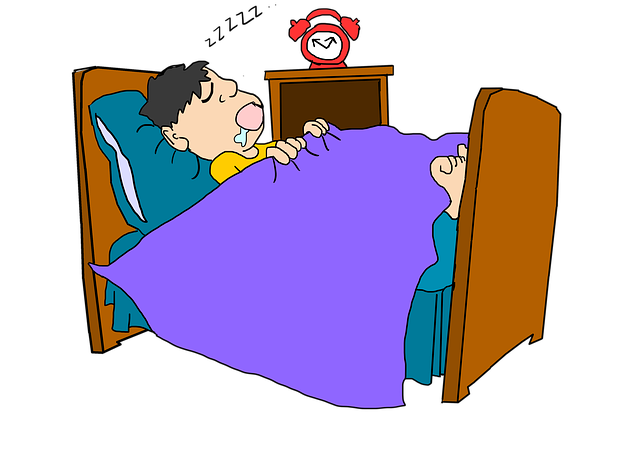
Why Older Adults Need Better Sleep When Ageing

Sleep and Ageing 2. So then, sleep is often described as life’s most natural medicine. Furthermore, a mysterious yet essential state that restores, heals, and renews. But while we spend nearly a third of our lives asleep, few of us truly appreciate the depth of its influence on health and aging. However, for older adults, sleep is not just a nightly ritual. But a critical cornerstone of physical vitality, mental sharpness, and emotional resilience. And yet as we age, sleep tends to change—becoming lighter, shorter, and more fragmented.
How to Rest Easy in Your Later Years

Sleep and Ageing 2. As an example, older adults need about the same amount of sleep as all adults, seven to nine hours each night. But older people tend to go to sleep earlier and get up earlier than they did when they were younger. Consequently, getting enough sleep helps you stay healthy and alert. However, many older people don’t sleep well. Subsequently, if you’re always sleepy or you find it hard to get enough sleep at night it may be time to talk to your doctor.
Also, as we age, getting a good night’s sleep can become more difficult. Here, many older adults find themselves lying awake for hours, waking frequently during the night. And or rising too early in the morning feeling tired and unrested. Hence, if this sounds familiar, you’re not alone — and there is help.
Why Sleep Changes when Ageing

Sleep and Ageing 2. Our sleep patterns naturally shift as we get older. This can be due to several factors:
Changes in Routine: Retirement and reduced daytime structure can confuse your natural sleep-wake rhythm.
Lower Melatonin Levels: Melatonin is the hormone that regulates our sleep-wake cycle. It decreases with age, making it harder to fall asleep.
Health Conditions: Arthritis, heart issues, diabetes, or needing the loo more often can all disturb your rest.
Medications: Many prescriptions have side effects that affect sleep quality.
Less Physical Activity: A more sedentary lifestyle reduces the body’s need for deep restorative sleep.
Common Sleep Problems in Older Adults

- Trouble falling asleep
- Waking up several times in the night
- Waking up too early
- Feeling tired during the day
- Restless or light sleep
Poor sleep can affect memory, balance, mood, and even your immune system — so it’s worth tackling.
Tips for Better Sleep After 60

🕒 Stick to a Routine
Sleep and Ageing 2. Go to bed and get up at the same time every day, even on weekends. This helps reset your internal clock.
💡 Get Morning Sunlight
Try to spend time in the morning light. Natural daylight boosts melatonin production at night.
🏃 Be Active During the Day
Daily movement or exercise — even a walk — can help you sleep deeper and fall asleep faster.
🍽️ Watch What (and When) You Eat
Avoid large meals, caffeine, and alcohol before bedtime. A light, healthy snack (like a banana or warm milk) can be calming.
📱 Avoid Screens at Night
The blue light from phones, tablets, and TVs can interfere with melatonin. Switch off at least 1 hour before bed.
🛏️ Make Your Bedroom Sleep-Friendly
Cool, quiet, and dark rooms are ideal. Try blackout curtains, a white noise machine, or a fan if needed.
😌 Practice Relaxation
Gentle stretches, meditation, deep breathing, or listening to calming music can help prepare your mind and body for rest.
Natural Sleep Aids to Consider
CBD Oil: Some older adults find relief using small doses before bedtime, but always seek advice from a medical professional first.
Magnesium: Helps relax muscles and calm the mind.
Melatonin Supplements: May help, but consult your doctor first.
Herbal Remedies: Chamomile tea, valerian root, or lavender oil can be soothing.
When to Seek Help

Sleep and Ageing 2. If sleep issues persist more than 3 nights a week for several months, or you feel exhausted daily, talk to your doctor. Conditions like sleep apnoea, depression, or restless leg syndrome could be involved — and they are treatable.
Final Thought
Sleep and Ageing 2. Good sleep is not a luxury — it’s essential for your health, energy, and independence. With the right habits and a little patience, you can reclaim restful nights and brighter days.
Pensioner Fitness – Helping You Stay Strong, Steady, and Self-Reliant
Pensioner Fitness Awards
THE BUSINESS CONCEPT, BEST IN BUSINESS AWARDS
- “MOST INSPIRING SENIOR WELLNESS WEBSITE 2023“
THE GLOBAL HEALTH AND PHARMA, FITNESS AND NUTRITION AWARDS
2. “BEST SENIOR FITNESS AND NUTRITION SPECIALIST 2023“
THE MIDDLE EAST AND AFRICA BUSINESS AWARDS
3. “ MOST INCLUSIVE FITNESS PROVIDER 2023″
THE CORPORATE LIVE WIRE GLOBAL AWARDS 2023/2024
4. ” FITNESS ADVISORY PLATFORM OF THE YEAR“ 2023/2024
In Conclusion
This sleep decline is not a simple inconvenience. Poor sleep in later life has been linked to weakened immunity, memory loss, mood disorders, and even higher risks of chronic diseases like heart disease and dementia. Understanding why older adults need better rest, and how to achieve it, is not just about comfort—it is about quality of life, longevity, and dignity in aging. In the end, sleep is not a luxury but a biological necessity—a nightly gift that sustains life itself. For older adults, good sleep is the difference between merely surviving and truly thriving. It is the fuel for memory, the balm for the heart, the stabilizer of mood, and the healer of the body.
Sleep is the Gateway to Healthy Aging
Important Note *
Remember that everyone is different, it is ultimately YOUR RESPONSIBILITY to find what your body responds to. So please do your due diligence before trying anything new, including getting Medical Advice to ensure your safety and peace of mind.
Connect with me and leave a com