
Staying Steady, Confident, and Independent is the Key to Healthy Ageing

BALANCE THE KEY TO HEALTHY AGEING 2. Maintaining strong balance is one of the most important parts of healthy aging. Good balance keeps you mobile, protects you from falls, and allows you to stay independent for longer. Yet many older adults notice that their balance becomes less reliable with age — and often aren’t sure why.
This guide explains what balance really is, how it works, why it declines, and the most effective ways to improve it at home, including six simple exercises that can dramatically strengthen your balance system. As a result, you will get 3 exercises today, and 3 with part 2.
What Is Balance?

BALANCE THE KEY TO HEALTHY AGEING 2. Balance is your body’s ability to stay upright and stable, whether you’re standing still, walking, or changing direction.
It relies on three key systems working together:
- Vision – your eyes tell your brain where you are in space.
- Vestibular system – a tiny inner-ear structure that detects motion, head position, and acceleration.
- Proprioception – sensors in your muscles and joints that tell your brain where your limbs are without looking.
When all three systems send accurate information, your brain can keep you steady. When one weakens, balance becomes harder.
How Balance Works Inside the Body
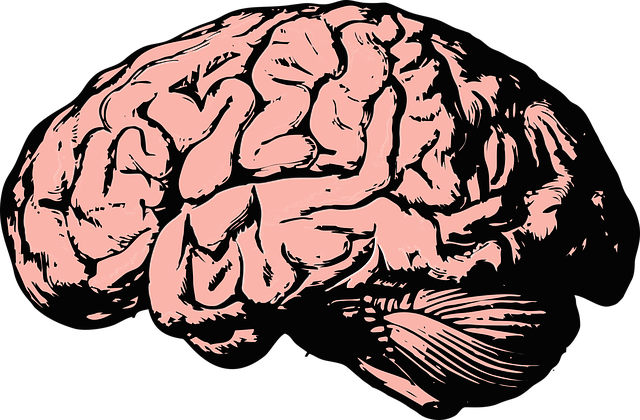
BALANCE THE KEY TO HEALTHY AGEING 2. Your brain continuously receives messages from the eyes, inner ears, and muscles. It compares that information with past experience and instantly adjusts your posture using your legs, core, and hips.
This process happens hundreds of times per second, automatically.
But with age:
- Vision often weakens
- The vestibular system becomes less sensitive
- Nerves in the feet and legs transmit signals more slowly
- Muscles lose strength
- Reaction times slow
This is why older adults often feel unsteady or have difficulty recovering from a small trip or slip.
A Short History of Balance Training

BALANCE THE KEY TO HEALTHY AGEING 2. Balance training has existed for centuries:
- Ancient China & India: Traditional martial arts included single-leg stances and slow-flow movements that challenged balance.
- Ancient Greece: Athletes practiced beam walking, stone carrying, and unstable-surface standing.
- 18th–19th century Europe: Doctors began to recognise balance disorders and created early physiotherapy techniques.
- Modern rehabilitation: From the 1950s onward, balance exercises became a standard part of fall-prevention programmes for older adults.
Today, science strongly supports balance training as a powerful tool to maintain mobility and prevent falls.
Most Effective Ways for Older Adults to Improve Balance at Home

BALANCE THE KEY TO HEALTHY AGEING 2. You don’t need a gym — the best balance improvements come from consistent simple exercises done regularly.
1. Strength Training for Legs & Core
Weak muscles cause poor stability. Strengthening the ankles, thighs, hips, and core improves posture and control.
2. Daily Balance Challenges
Small daily tasks train your body:
- Stand on one leg while brushing your teeth
- Walk heel-to-toe down the hallway
- Stand up from a chair without using your hands
3. Improve Foot Sensation
Barefoot time on carpet, gentle foot massage, and ankle mobility work help improve proprioception.
4. Keep Your Eyes Working
Practice focusing on still and moving objects; this supports visual balance.
5. Tidy Your Home Environment
Clear walkways, remove loose rugs, improve lighting — good balance also depends on good surroundings.
Medical Treatments That May Help
BALANCE THE KEY TO HEALTHY AGEING 2. If balance problems are severe, a doctor may recommend:
1. Physiotherapy
Targeted exercises, gait training, and vestibular rehabilitation.
2. Vestibular Therapy
Specialised exercises that retrain the inner-ear system after dizziness or vertigo.
3. Medication Review
Some blood-pressure medications, sedatives, or painkillers can affect balance. Adjusting them may help.
4. Vitamin D Supplementation
Low vitamin D weakens muscles and increases fall risk.
5. Treatment for Underlying Conditions
Neuropathy, arthritis, Parkinson’s disease, and diabetes can all reduce balance — managing them reduces symptoms.
Six Highly Effective Balance Exercises for Older Adults
BALANCE THE KEY TO HEALTHY AGEING 2. These can be done safely at home. Perform them near a wall or sturdy chair for support. These are the second group of three exercises
Strong leg muscles help you recover from slips.
4. Side Leg Raises

Strengthens: Hip stabilisers (critical for balance)
How:
- Stand behind a chair.
- Lift one leg out to the side slowly.
- Lower with control.
- Do 10–15 repetitions each side.
5. Tightrope March

Strengthens: Coordination, ankle control
How:
- March forward slowly.
- Lift your knees high and place each foot directly in front of the other.
- Continue for 20 steps.
6. Weight Shifts

Strengthens: Balance reactions and core control
How:
- Stand with feet hip-width apart.
- Shift your weight to the right foot.
- Hold 5 seconds.
- Shift to the left foot.
- Repeat 10 times.
This teaches your body to react automatically when thrown off balance.
Final Thoughts: Balance Can Be Rebuilt at Any Age
BALANCE THE KEY TO HEALTHY AGEING 2. Balance is not lost forever — it can be trained and improved, even in your 70s, 80s, and 90s.
With regular practice, older adults can expect:
- Better posture
- Fewer stumbles and falls
- Improved confidence
- Stronger muscles
- Greater independence
Just 10–15 minutes a day can make a huge difference.
Pensioner Fitness – Helping You Stay Strong, Steady, and Self-Reliant
Video
Pensioner Fitness Awards
THE BUSINESS CONCEPT, BEST IN BUSINESS AWARDS
- “MOST INSPIRING SENIOR WELLNESS WEBSITE 2023“
THE GLOBAL HEALTH AND PHARMA, FITNESS AND NUTRITION AWARDS
2. “BEST SENIOR FITNESS AND NUTRITION SPECIALIST 2023“
THE MIDDLE EAST AND AFRICA BUSINESS AWARDS
3. “ MOST INCLUSIVE FITNESS PROVIDER 2023″
THE CORPORATE LIVE WIRE GLOBAL AWARDS 2023/2024
4. ” FITNESS ADVISORY PLATFORM OF THE YEAR“ 2023/2024
In Conclusion
The sense of proprioception is ubiquitous across mobile animals and is essential for the motor coordination of the body. Proprioceptors can form reflex circuits with motor neurons to provide rapid feedback about body and limb position. These mechanosensation circuits are important for flexibly maintaining posture and balance, especially during locomotion.
Strong legs mean better balance.
Important Note *
Remember that everyone is different, it is ultimately YOUR RESPONSIBILITY to find what your body responds to. So please do your due diligence before trying anything new, including getting Medical Advice to ensure your safety and peace of mind.
Connect with me and leave a com