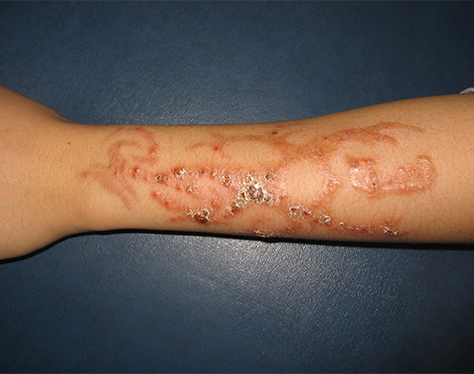
Skin Diseases are Common in Older Adults And Ageing Skin Needs Special Care
Skin Diseases Common in Older Adults. Here, as we grow older, we usually expect weaker muscles, stiffer joints, or perhaps poorer eyesight.
But what many people don’t expect… is that the largest organ in the body — the skin — also ages dramatically.
In addition, for many older adults, skin conditions become one of the biggest daily discomforts they experience. Consequently, itching, dryness, fragile skin, rashes, slow healing wounds, and infections are extremely common after age 60.
However, the good news: most skin problems in later life are treatable — and many can be prevented with simple habits.
A Short History — Why Doctors Became Concerned About Ageing Skin and Diseases
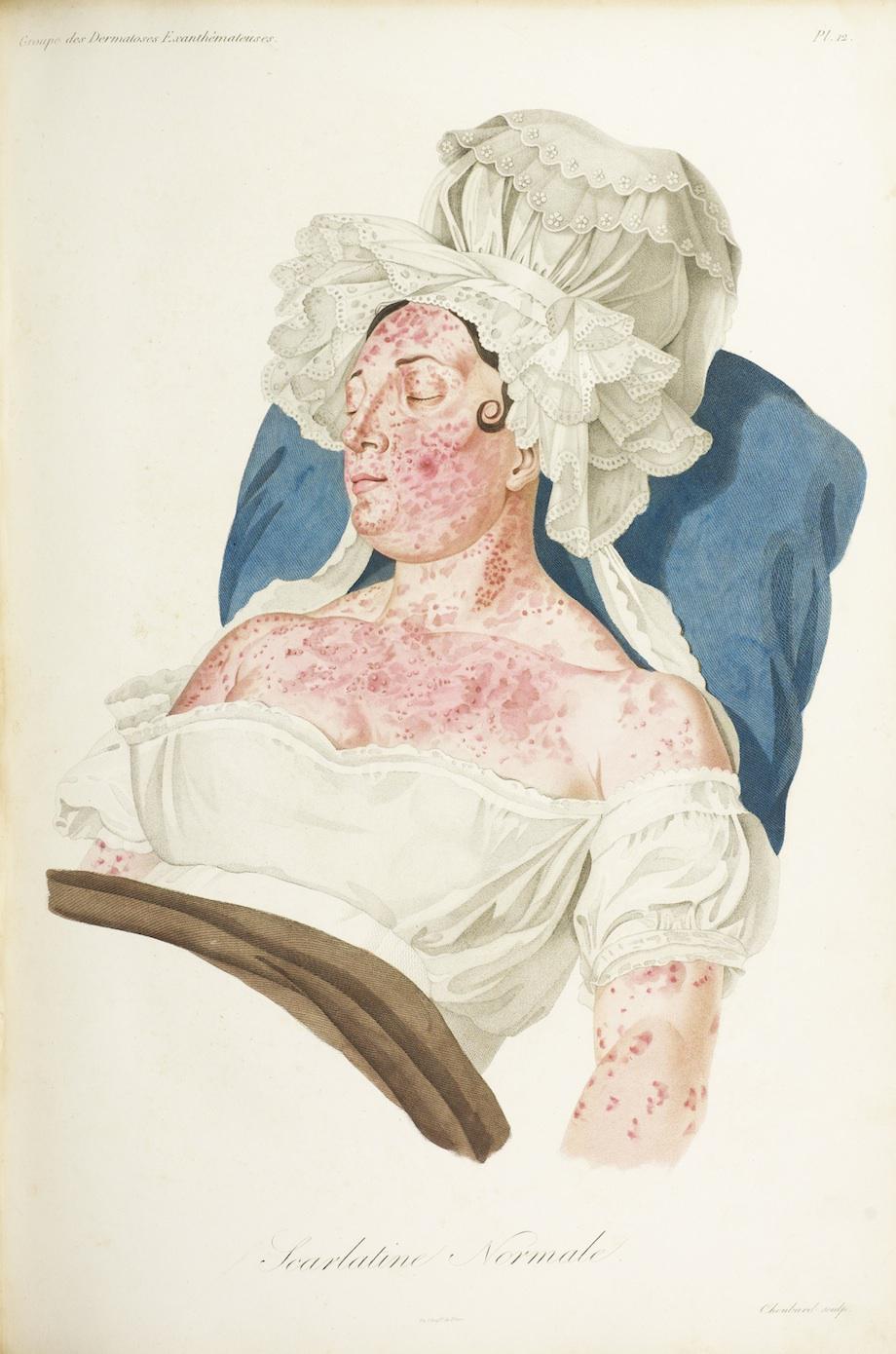
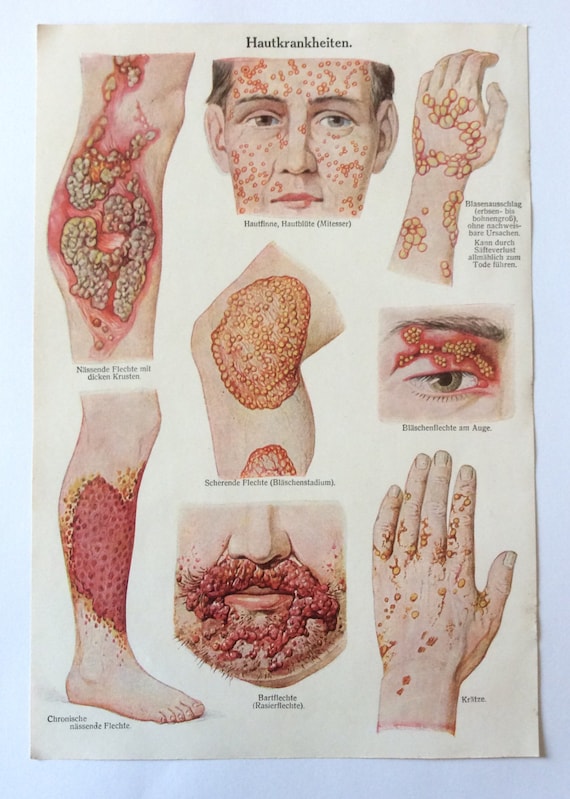
Skin Diseases Common in Older Adults. Here, skin disease has been recorded for thousands of years. For example, ancient Egyptian papyri described itchy rashes and fungal infections. And greek physicians like Hippocrates identified scaling diseases similar to psoriasis.
However, doctors only truly began to understand age-related skin disease in the 1900s when people started living longer. Generally, before modern medicine, many people did not live long enough to develop the skin problems we now associate with older age.
But today dermatologists know that ageing skin behaves differently because it becomes:
• thinner
• drier
• slower to heal
• more fragile
• less resistant to infection
Why Skin Changes After 60
Skin Diseases Common in Older Adults. As a result ageing skin is not just “wrinkled skin.” It is actually biologically different tissue.
As we age:
- Collagen decreases
- Natural oils reduce
- Blood circulation drops
- Sweat glands shrink
- Immune defenses weaken
This leads to three major problems:
- Dryness
- Fragility
- Increased infection risk
That is why small scratches in older adults sometimes turn into serious wounds.
The Most Common Skin Conditions in Older Adults
1. Xerosis (Severely Dry Skin)


Skin Diseases Common in Older Adults. Above all, this is the number one skin problem in older adults.
Often called winter itch, xerosis causes constant itching — especially at night.
Symptoms
- Flaky skin
- Tight feeling skin
- White scaling
- Cracks
- Severe itching
Why It Happens
Besides, after age 60, the skin produces far less natural oil. Hot baths make it worse.
Treatment
Medical
- Emollient creams (urea creams are excellent)
- Prescription steroid creams if inflamed
Home Remedies
- Lukewarm showers only
- Oatmeal baths
- Coconut oil or shea butter after bathing
- Humidifier in bedroom
- Avoid soap on legs and arms (very important)
2. Eczema (Dermatitis)

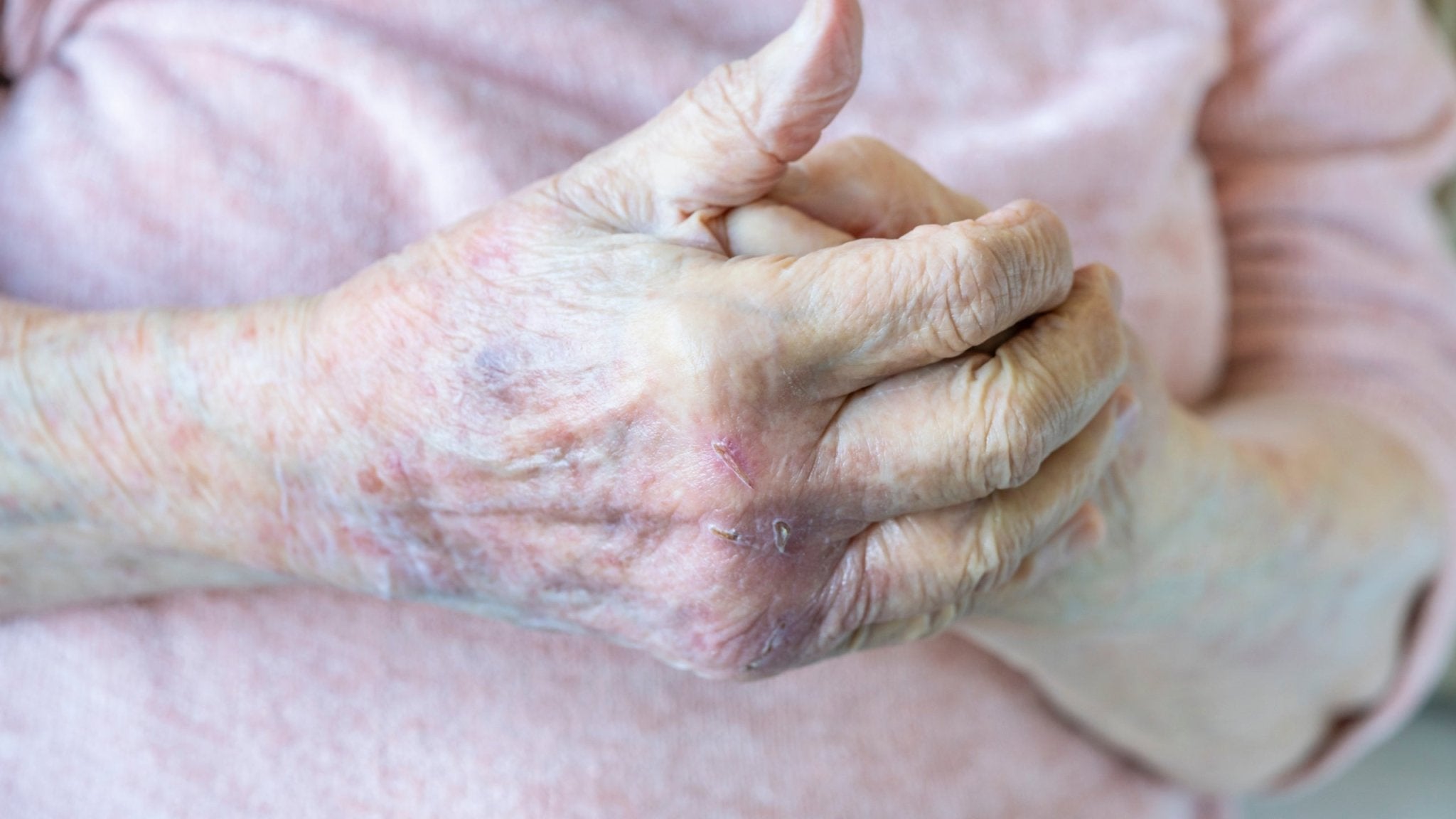

Skin Diseases Common in Older Adults. By the way, eczema is extremely common in later life and often mistaken for an allergy.
Symptoms
- Red patches
- Itching
- Crusting
- Weeping rash
Triggers
- Soaps
- Laundry detergents
- Perfumes
- Wool clothing
- Cleaning chemicals
Treatment
Medical
- Mild steroid creams
- Antihistamines
- Moisturizing barrier creams
Home Care
- Switch to fragrance-free soap
- Use cotton clothing
- Wash clothes with gentle detergent
- Moisturize twice daily
3. Fungal Infections
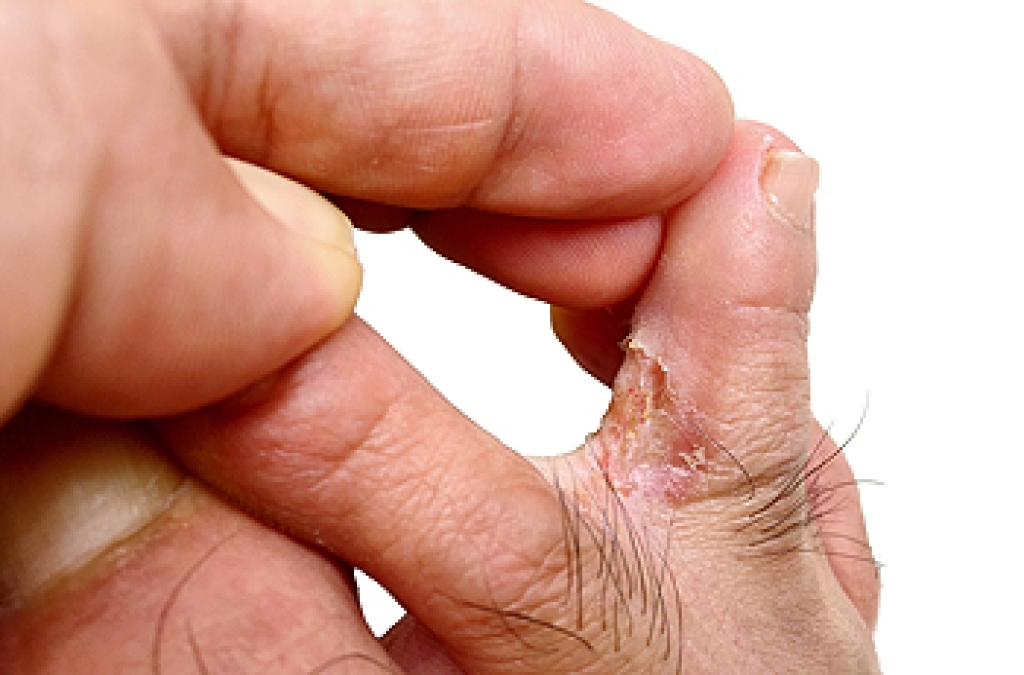

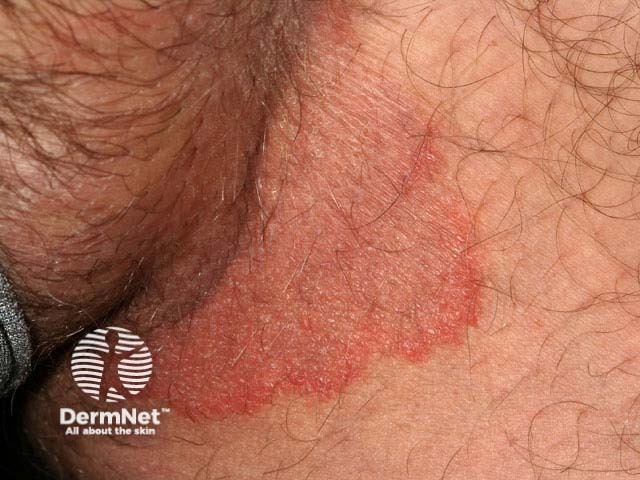
Skin Diseases Common in Older Adults. Here, older adults are especially prone because immunity and circulation decline.
Common Types
- Athlete’s foot
- Ringworm
- Groin fungal rash
- Nail fungus
Symptoms
- Red circular rash
- Itching
- Peeling skin
- Thick yellow nails
Treatment
Medical
- Antifungal creams
- Oral tablets (for nails)
Home Care
- Keep feet dry
- Change socks daily
- Avoid tight shoes
- Dry between toes after bathing
4. Shingles (Herpes Zoster)

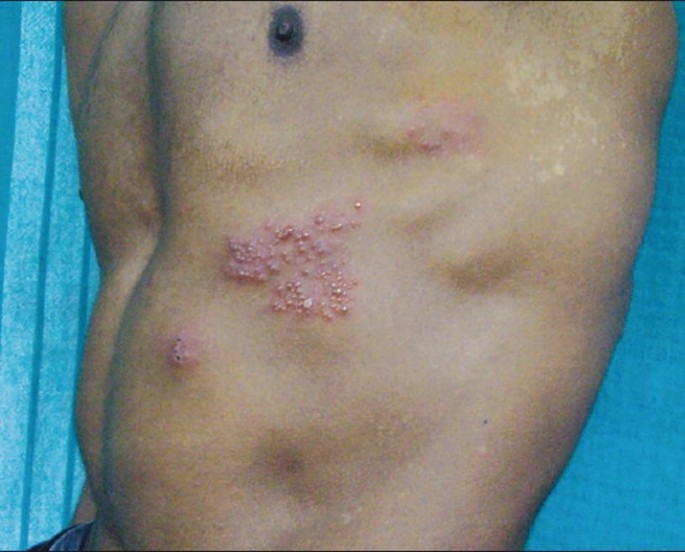

Skin Diseases Common in Older Adults. So then, shingles is a reactivation of the childhood chickenpox virus that lives quietly in nerves for decades.
Symptoms
- Burning pain
- Tingling
- Blister rash (usually one side of body)
- Severe nerve pain
Why It Matters
In older adults, shingles can cause months or years of nerve pain (post-herpetic neuralgia).
Treatment
- Antiviral medication (must be early)
- Pain medication
- Nerve pain treatments
Prevention: Vaccination is highly effective and strongly recommended for seniors.
5. Pressure Sores (Bed Sores)


Skin Diseases Common in Older Adults. For instance, these occur when skin is under pressure too long — especially in less mobile older adults.
High-Risk Areas
- Heels
- Hips
- Lower back
- Elbows
Danger
These can become serious infections and even life-threatening.
Prevention
- Change position regularly
- Cushions and padding
- Check skin daily
- Good nutrition (protein is vital)
Incidentally, this is the part many people never hear — but it makes the biggest difference.
The Golden Rules
- Do not use hot baths or hot showers
- Moisturize immediately after washing
- Avoid harsh soap (use gentle cleansers)
- Drink enough water
- Eat protein daily (skin needs it to repair)
- Get sunlight in moderation (vitamin D)
- Treat small wounds immediately
- Non-healing wound after 2 weeks
- Bleeding mole
- Sudden new growth
- Severe pain with rash
- Fever with skin infection
These may indicate skin cancer or serious infection, both more common in older adults but very treatable when caught early.
Final Thoughts
Skin Diseases Common in Older Adults. Ageing skin is not simply cosmetic — it is a health issue.
Many older adults lose sleep due to itching, develop infections from small scratches, or suffer unnecessary pain because they believe skin problems are just part of getting older.
They are not.
With simple daily care and early treatment, most skin diseases in later life can be controlled, comfort restored, and serious complications prevented.
Healthy skin is not about appearance —
it is about comfort, independence, and quality of life.
Pensioner Fitness – Helping You Stay Strong, Steady, and Self-Reliant
Awards Pensioner Fitness
THE BUSINESS CONCEPT, BEST IN BUSINESS AWARDS
- “MOST INSPIRING SENIOR WELLNESS WEBSITE 2023“
THE GLOBAL HEALTH AND PHARMA, FITNESS AND NUTRITION AWARDS
2. “BEST SENIOR FITNESS AND NUTRITION SPECIALIST 2023“
THE MIDDLE EAST AND AFRICA BUSINESS AWARDS
3. “ MOST INCLUSIVE FITNESS PROVIDER 2023″
THE CORPORATE LIVE WIRE GLOBAL AWARDS 2023/2024
4. ” FITNESS ADVISORY PLATFORM OF THE YEAR“ 2023/2024
In Conclusion
Many factors influence how aging affects your skin. And age-related changes such as a loss of elastic fibers (elastin) and collagen cause the skin to look older, develop wrinkles, and be more fragile. Furthermore, hormonal changes, such as those that occur with menopause, can cause the skin to become thinner and drier. As a result, certain chronic health conditions that are more common in older adults. Such as, diabetes, kidney disease, heart disease, and atherosclerosis, can also have symptoms that affect the skin.
Take good care of your skin.
Important Note *
Remember that everyone is different, it is ultimately YOUR RESPONSIBILITY to find what your body responds to. So please do your due diligence before trying anything new, including getting Medical Advice to ensure your safety and peace of mind.
Connect with me and leave a com