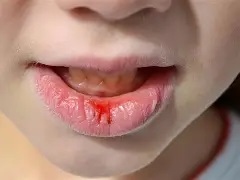
Dry Mouth in Older Adults: A Hidden Problem That Can Affect Your Health
Dry Mouth in Older Adults. However it may sound like a minor irritation, but for many older adults, it can become a serious and persistent health issue. Known medically as xerostomia, dry mouth can interfere with eating, speaking, sleeping, and even increase the risk of infection and tooth loss.
As we age, changes in the body, medications, and underlying health conditions can all reduce saliva production — and saliva is far more important than most people realise.
What Is Dry Mouth (Xerostomia)?

Dry Mouth in Older Adults. Dry mouth occurs when the salivary glands do not produce enough saliva to keep the mouth moist.
Saliva plays a vital role in:
- Lubricating the mouth
- Helping with chewing and swallowing
- Protecting teeth from decay
- Controlling bacteria in the mouth
Without enough saliva, the mouth becomes dry, uncomfortable, and vulnerable to damage.
A Brief History and Understanding

Dry Mouth in Older Adults. The condition of dry mouth has been recognised for centuries, but it became more widely studied in the 20th century as modern medicine advanced.
With the rise of prescription medications and increased life expectancy, dry mouth became more common — especially in older adults taking multiple medications.
Today, it is recognised not just as a symptom, but as a condition that can significantly affect quality of life.
What Causes Dry Mouth in Older Adults?

Dry Mouth in Older Adults. There are several common causes:
1. Medications (Most Common Cause)
Many commonly prescribed drugs reduce saliva production, including:
- Blood pressure medications
- Antidepressants
- Antihistamines
- Diuretics
2. Dehydration
Older adults often drink less fluid, leading to reduced saliva.
3. Medical Conditions
- Diabetes
- Stroke
- Alzheimer’s disease
- Parkinson’s disease
4. Cancer Treatments
Radiation therapy to the head and neck can damage salivary glands.
5. Lifestyle Factors
- Smoking
- Alcohol consumption
- Mouth breathing
Symptoms of Dry Mouth
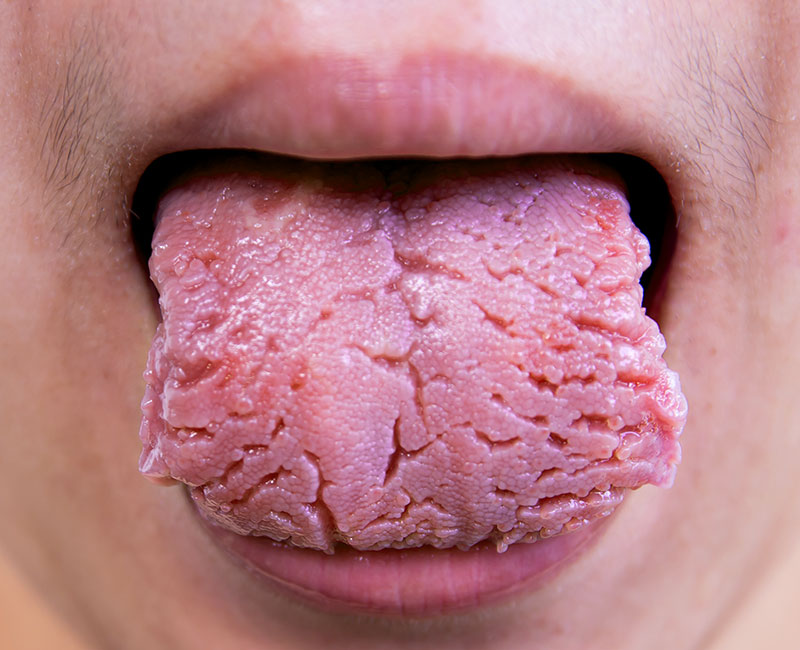
Dry Mouth in Older Adults. Symptoms can vary from mild to severe:
- Constant dry or sticky feeling in the mouth
- Difficulty chewing, swallowing, or speaking
- Cracked lips or sores in the mouth
- Dry or rough tongue
- Burning sensation in the mouth
- Bad breath
- Increased thirst
- Changes in taste
Why Dry Mouth Can Be Serious

Dry Mouth in Older Adults. Many people dismiss dry mouth, but the consequences can be significant:
1. Tooth Decay and Gum Disease
Saliva protects teeth. Without it, decay can progress rapidly.
2. Oral Infections
Conditions like oral thrush (fungal infection) become more common.
3. Difficulty Eating and Malnutrition
Dry mouth can make eating painful, leading to reduced food intake.
4. Speech Problems
Lack of lubrication affects clarity of speech.
5. Reduced Quality of Life
Persistent discomfort can affect sleep, mood, and social confidence.
Treatment and Management Options
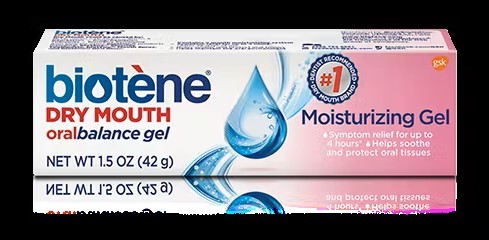
Dry Mouth in Older Adults. While dry mouth may not always be completely cured, it can often be effectively managed.
1. Stay Hydrated
- Sip water regularly throughout the day
- Avoid long periods without fluids
2. Stimulate Saliva Production
- Sugar-free chewing gum
- Sugar-free lozenges
3. Review Medications
Speak with a doctor about possible alternatives if medication is the cause.
4. Use Saliva Substitutes
- Oral gels
- Mouth sprays
- Special rinses
5. Maintain Excellent Oral Hygiene
- Brush twice daily with fluoride toothpaste
- Floss regularly
- Visit a dentist regularly
6. Avoid Irritants
- Alcohol-based mouthwashes
- Smoking
- Excess caffeine
Practical Daily Tips

- Keep a glass of water by your bedside
- Use a humidifier at night
- Eat moist foods (soups, stews, fruits)
- Avoid very salty or dry foods
- Breathe through your nose where possible
When to Seek Medical Advice

Dry Mouth in Older Adults. You should consult a healthcare professional if:
- Dry mouth persists for more than a few weeks
- You develop sores or infections
- Eating or swallowing becomes difficult
- You notice rapid tooth decay
Finally
Dry mouth is far more than a minor inconvenience — it can be a warning sign and a gateway to more serious health issues.
The good news is that with awareness, simple lifestyle changes, and proper care, it can be effectively managed.
As always, staying proactive about your health is the key to staying strong, independent, and confident in later life.
Pensioner Fitness – Helping You Stay Strong, Steady, and Self-Reliant
Pensioner Fitness Awards
THE BUSINESS CONCEPT, BEST IN BUSINESS AWARDS
- “MOST INSPIRING SENIOR WELLNESS WEBSITE 2023“
THE GLOBAL HEALTH AND PHARMA, FITNESS AND NUTRITION AWARDS
2. “BEST SENIOR FITNESS AND NUTRITION SPECIALIST 2023“
THE MIDDLE EAST AND AFRICA BUSINESS AWARDS
3. “ MOST INCLUSIVE FITNESS PROVIDER 2023″
THE CORPORATE LIVE WIRE GLOBAL AWARDS 2023/2024
4. ” FITNESS ADVISORY PLATFORM OF THE YEAR“ 2023/2024
In Conclusion
There are also over 500 medications that can cause dry mouth. Blood pressure medications, seizure medications, antidepressants, and opioids are some of the most common medications that can lead to dry mouth. In addition, interactions between certain medications can worsen the dry mouth. However, it is important to never stop a medication until discussing it with the prescribing physician first.
Important Note *
Remember that everyone is different, it is ultimately YOUR RESPONSIBILITY to find what your body responds to. So please do your due diligence before trying anything new, including getting Medical Advice to ensure your safety and peace of mind.
Connect with me and leave a com