The Truth About Peripheral Neuropathy Causes, Symptoms, and Realistic Treatment
Peripheral Neuropathy in Seniors. So then, many older adults contact me describing tingling feet, burning toes at night, or a strange numbness that makes walking feel uncertain. And often they have already searched online — and unfortunately, that is where confusion begins. As a result, you may have seen advertisements claiming:
“Peripheral neuropathy is caused by plaque clogging the nerves — and can be cured easily.”
I want to reassure you immediately:
Peripheral neuropathy is real.
The symptoms are real.
But the ‘plaque in the nerves’ explanation is not medically accurate.
Let’s calmly explain what is actually happening inside the body.
What Peripheral Neuropathy Actually Is

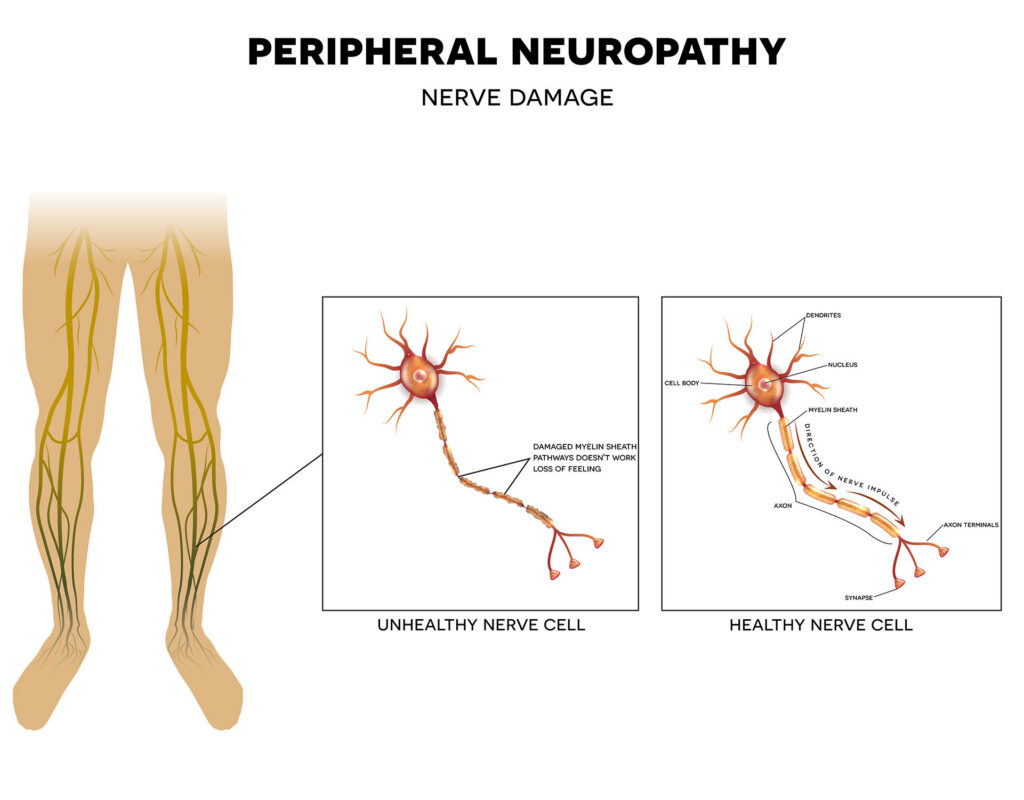
Peripheral Neuropathy in Seniors. Peripheral neuropathy simply means:
damage or dysfunction of the peripheral nerves.
Consequently, your peripheral nerves are the communication wires between:
- your brain
- your spinal cord
- and the rest of your body
They carry three main signals:
- Sensation (touch, pain, temperature)
- Movement (muscle control)
- Automatic body regulation (sweating, circulation, balance)
When these nerves become damaged, the signals become distorted — like a frayed electrical cable.
Subsequently, as we age, three things naturally change:
- Blood supply to tiny nerve fibres decreases slightly
- Repair mechanisms slow down
- Long nerves (especially those going to the feet) wear out first
This is why neuropathy nearly always begins in the toes and gradually moves upward.
Doctors call this:
“stocking distribution” — like wearing invisible socks.
The Real Causes (Not Plaque)
Peripheral Neuropathy in Seniors. Here, there is no medical evidence that plaque clogs nerves in the way arteries clog in heart disease. For example, nerves are not hollow tubes — they are living fibres. They don’t fill up with deposits.
Peripheral neuropathy is usually caused by one of these:
1. Diabetes (Most Common Cause)
High blood sugar damages tiny blood vessels that feed nerves.
This slowly starves the nerve fibre of oxygen and nutrition.
Even pre-diabetes can do this.
2. Vitamin Deficiencies
Especially:
- Vitamin B12
- B6 (too low or too high)
- Folate
These vitamins are essential for the protective nerve coating (myelin).
3. Circulation Problems
Poor circulation doesn’t “clog” nerves —
but reduced oxygen supply weakens them over time.
4. Medication Side Effects
Some:
- chemotherapy drugs
- long-term antibiotics
- certain heart medications
can irritate nerves.
5. Alcohol Overuse
Alcohol is toxic to nerve tissue.
6. Spinal Compression
Arthritis in the spine can pinch nerve roots and produce similar symptoms.
7. Unknown Cause
In about 30% of cases, no clear cause is found.
This is called idiopathic neuropathy and is common in older adults.
Typical Symptoms
Peripheral Neuropathy in Seniors. Peripheral neuropathy rarely begins suddenly.
Common early signs:
- Tingling in toes
- Pins and needles
- Burning sensation at night
- Feet feeling “cold but warm to touch”
- Reduced balance
- Socks feeling bunched when they are not
Later symptoms:
- Numbness
- Difficulty sensing floor position
- Walking instability
- Increased fall risk
Important:
Pain is not always present.
Many older adults have numb neuropathy rather than painful neuropathy.
Why Online “Quick Cure” Claims Are Misleading

Peripheral Neuropathy in Seniors. Here is the honest medical reality:
Nerves heal very slowly.
A nerve fibre regrows about 1 millimetre per day under ideal conditions.
There is no drink, tablet, or vibration device that can suddenly reverse established nerve damage in a few days.
If such a cure existed, it would be used in hospitals worldwide — not sold only through late-night advertisements.
Many products use a half-truth:
Better circulation can help nerve health
—but it does not remove imaginary plaque.
Real Medical Treatments
Peripheral Neuropathy in Seniors. Doctors do not “cure” neuropathy instantly.
Instead they aim to:
1. Stop progression
- Control blood sugar
- Correct vitamin deficiencies
- Adjust medications
2. Protect nerves
Common medical options:
- B12 supplementation (when deficient)
- pain-control nerve medications
- topical creams for burning symptoms
3. Reduce complications
The greatest danger of neuropathy is not discomfort —
it is falls and unnoticed foot injury.
The Most Effective Non-Drug Help (Often Overlooked)

Exercise
Peripheral Neuropathy in Seniors. Gentle movement increases blood flow to nerves.
Best choices:
- daily walking
- stationary cycling
- calf raises
- balance training
Exercise is one of the few proven ways to slow neuropathy progression.
Foot Care (Extremely Important)
Because sensation decreases:
- inspect feet daily
- moisturise dry skin
- trim nails carefully
- never walk barefoot outdoors
Small injuries can go unnoticed and become infected.
Nutrition That Supports Nerves
Helpful foods:
- eggs
- oily fish
- leafy greens
- nuts
- beans
- whole grains
Important:
Very high sugar intake accelerates nerve damage — even in non-diabetics.
When To See a Doctor Urgently

Seek medical help if you develop:
- sudden weakness
- one-sided symptoms
- loss of bladder control
- rapidly worsening numbness
These are not typical neuropathy and require immediate evaluation.
The Honest Outlook

Here is the truth:
Peripheral neuropathy is usually manageable, not magically curable.
Many people live active, independent lives with it once they:
- understand it
- control its causes
- protect their balance
The real goal is not chasing miracle cures.
It is:
keeping mobility, preventing falls, and maintaining confidence.
Final Thought
If you see advertisements claiming a simple cure, remember:
Real medical conditions rarely have secret cures hidden from doctors but sold online.
However, there are practical steps that help — and those steps are within your control.
Understanding removes fear.
And with understanding, you can still stay active, steady, and self-reliant.
Pensioner Fitness – Helping You Stay Strong, Steady, and Self-Reliant
Pensioner Fitness Awards
THE BUSINESS CONCEPT, BEST IN BUSINESS AWARDS
- “MOST INSPIRING SENIOR WELLNESS WEBSITE 2023“
THE GLOBAL HEALTH AND PHARMA, FITNESS AND NUTRITION AWARDS
2. “BEST SENIOR FITNESS AND NUTRITION SPECIALIST 2023“
THE MIDDLE EAST AND AFRICA BUSINESS AWARDS
3. “ MOST INCLUSIVE FITNESS PROVIDER 2023″
THE CORPORATE LIVE WIRE GLOBAL AWARDS 2023/2024
4. ” FITNESS ADVISORY PLATFORM OF THE YEAR“ 2023/2024
In Conclusion
Peripheral neuropathy happens when the nerves that are located outside of the brain and spinal cord (peripheral nerves) are damaged. This condition often causes weakness, numbness and pain, usually in the hands and feet. It also can affect other areas and body functions including digestion and urination.
The peripheral nervous system sends information from the brain and spinal cord, also called the central nervous system, to the rest of the body through motor nerves. The peripheral nerves also send sensory information to the central nervous system through sensory nerves.
Peripheral neuropathy can result from traumatic injuries, infections, metabolic problems, inherited causes and exposure to toxins. One of the most common causes of neuropathy is diabetes.
Exercise helps you manage Peripheral Neuropathy.
Important Note *
Remember that everyone is different, it is ultimately YOUR RESPONSIBILITY to find what your body responds to. So please do your due diligence before trying anything new, including getting Medical Advice to ensure your safety and peace of mind.
Connect with me and leave a com
2 replies on “Peripheral Neuropathy in Seniors”
This is something i have suffered from since a spinal fusion in 2013 the fusion part worked but the nerve problem didn’t realise it was meant to stop after 6wks 2nd op couldn’t find a problem anyway live with it no booze in last few years helps a bit exercise helps a lot moisterize dry feet at night this is the best summary of neuropathy ive read Thanks
Hi Neville, Sorry for the delay in answering this comment. I appreciate your comment, All the very best, Ian