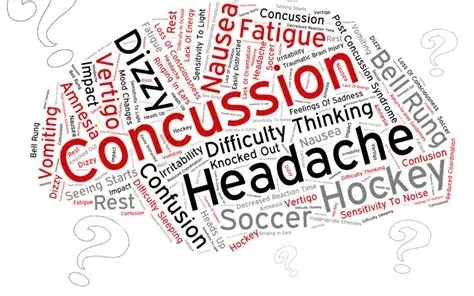
What Older Adults Need, to Understand about Concussion

Introduction to Understanding Concussion
Understanding Concussion. As a result, falls are one of the most common causes of injury in older adults, and sometimes they lead to a concussion. A mild form of traumatic brain injury that can have serious consequences if ignored. But while most people associate concussion with sports injuries, older adults are actually at higher risk due to age-related balance issues. Also, slower reflexes, and certain medications that affect stability or blood pressure.
What Is a Concussion?
Understanding Concussion. So then, a concussion occurs when a blow, jolt, or fall causes the brain to move rapidly back and forth inside the skull. Consequently, this movement can stretch and damage brain cells, disrupting normal brain function. And even if there’s no loss of consciousness, a concussion can still be serious.
Historically, concussions were once called “mild brain trauma” and often underestimated. However, medical science now recognizes that even mild concussions can cause lingering effects. Also, especially in older adults whose brains are more sensitive to impact and slower to heal.
Common Causes of Concussion in Older Adults
- Falls – Slipping in the bathroom, tripping on rugs, or losing balance are the leading causes.
- Vehicle accidents – Even minor collisions can cause a jolt strong enough to cause concussion.
- Head impacts – Striking the head on furniture, doors, or hard surfaces.
- Medications – Drugs that cause dizziness or lower blood pressure can indirectly lead to falls.
- Poor balance and vision – Declines in these abilities increase the likelihood of falling and hitting the head.
Recognizing the Symptoms
Understanding Concussion. For example, symptoms can appear immediately or develop over several hours or days after the incident. Be alert to these warning signs:
Physical Symptoms:
- Headache or pressure in the head
- Dizziness or loss of balance
- Nausea or vomiting
- Blurred or double vision
- Fatigue or drowsiness
- Sensitivity to light or noise
Cognitive and Emotional Symptoms:
- Confusion or feeling “foggy”
- Memory problems or difficulty concentrating
- Slower reaction times
- Irritability, sadness, or anxiety
- Changes in sleep patterns (sleeping too much or too little)
⚠️ Important: Above all, seek immediate medical attention if there’s loss of consciousness (even briefly), repeated vomiting, worsening headache, slurred speech, or unusual drowsiness. Subsequently, these may signal a more serious brain injury.
Diagnosis and Medical Treatment
Understanding Concussion. Soon, a doctor will perform a neurological examination, checking balance, coordination, vision, reflexes, and memory. in some cases, a CT scan or MRI may be ordered to rule out bleeding or swelling in the brain.
Medical Treatment Typically Includes:
- Rest: Both mental and physical rest are crucial for brain recovery.
- Monitoring: Observation for 24–48 hours after the injury to ensure symptoms don’t worsen.
- Medication: Pain relief (usually paracetamol/acetaminophen). Avoid anti-inflammatories like ibuprofen or aspirin immediately after injury, as they can increase the risk of bleeding.
- Gradual activity resumption: Light movement as tolerated — avoid strenuous exercise or heavy lifting until cleared by a doctor.
Home Recovery and Self-Care
Understanding Concussion. Furthermore, while most concussions heal within 7–21 days, older adults may take longer — sometimes several weeks or months. During recovery:
Do:
- Rest in a quiet, dimly lit environment.
- Get plenty of sleep and take short naps if needed.
- Eat a balanced diet rich in omega-3s, antioxidants, and hydration (fish, berries, leafy greens, water).
- Avoid alcohol and sedative medications unless prescribed.
- Use gentle stretching or short walks once dizziness subsides — it helps circulation.
- Keep a symptom diary to track progress and share with your doctor.
Don’t:
- Drive or operate machinery until medically cleared.
- Engage in high-risk activities (cycling, climbing, etc.).
- Spend long periods on screens or in bright light early on.
- Rush recovery — healing takes time.
Long-Term Outlook
Understanding Concussion. Generally, most older adults recover fully from a mild concussion. However, recovery can be slower, and some may experience post-concussion syndrome (PCS). Such as ongoing symptoms lasting weeks or months. These can include:
- Persistent headaches
- Difficulty concentrating
- Sleep disturbance
- Mood swings or depression
Therefore, for long-term symptoms, rehabilitation therapy (balance training, cognitive therapy, or physiotherapy) may be recommended. Besides, early medical involvement and proper rest are the best ways to ensure a full recovery.
Prevention Tips for Older Adults
- Improve home safety: Remove loose rugs, ensure good lighting, install grab bars in bathrooms.
- Maintain balance and strength: Regularly practice balance and flexibility exercises from Pensioner Fitness videos.
- Check medications: Ask your doctor if any increase fall risk.
- Wear supportive footwear: Non-slip, well-fitting shoes reduce fall risk.
- Have regular eye tests: Clear vision means fewer trip hazards.
Conclusion
Understanding Concussion. As a rule, a concussion is not just “a bump on the head” But it is a brain injury that deserves care and respect. In this case, the good news is that with early recognition, rest, and gradual recovery, most older adults can return to full health and confidence. And as always, prevention through balance, strength, and awareness remains the best medicine.
Pensioner Fitness – Helping You Stay Strong, Steady, and Self-Reliant
Pensioner Fitness Awards
THE BUSINESS CONCEPT, BEST IN BUSINESS AWARDS
- “MOST INSPIRING SENIOR WELLNESS WEBSITE 2023“
THE GLOBAL HEALTH AND PHARMA, FITNESS AND NUTRITION AWARDS
2. “BEST SENIOR FITNESS AND NUTRITION SPECIALIST 2023“
THE MIDDLE EAST AND AFRICA BUSINESS AWARDS
3. “ MOST INCLUSIVE FITNESS PROVIDER 2023″
THE CORPORATE LIVE WIRE GLOBAL AWARDS 2023/2024
4. ” FITNESS ADVISORY PLATFORM OF THE YEAR“ 2023/2024
In Conclusion
Understanding Concussion. Here, a concussion is a mild traumatic brain injury that affects brain function. Generally, effects are often short term and can include headaches and trouble with concentration, memory, balance, mood and sleep.
However, concussions usually are caused by an impact to the head or body that is associated with a change in brain function. Subsequently, not everyone who experiences a blow to the body or head has a concussion. For instance, some concussions cause the person to lose consciousness, but most do not. For the most part, falls are the most common cause of concussions. Especially in older adults. By the way, most people recover fully after a concussion.
Important Note *
Remember that everyone is different, it is ultimately YOUR RESPONSIBILITY to find what your body responds to. So please do your due diligence before trying anything new, including getting Medical Advice to ensure your safety and peace of mind.
Connect with me and leave a com