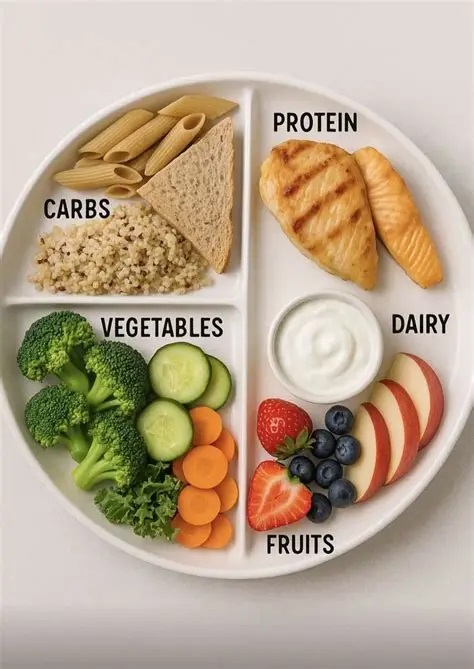
Eating A Balanced Diet for Strength, Energy and Healthy Ageing
A Balanced Diet for Seniors. Above all, as we get older, the food we eat becomes more important, not less.
So then, a balanced diet is not about following complicated rules, counting every calorie, or chasing the latest food trend. However, for older adults, it is about giving the body what it needs to stay strong, maintain energy, support the immune system. And help preserve independence.
Consequently, the good news is that healthy eating after 60 does not need to be difficult. Because, in many cases, simple, sensible choices made consistently can make a real difference.
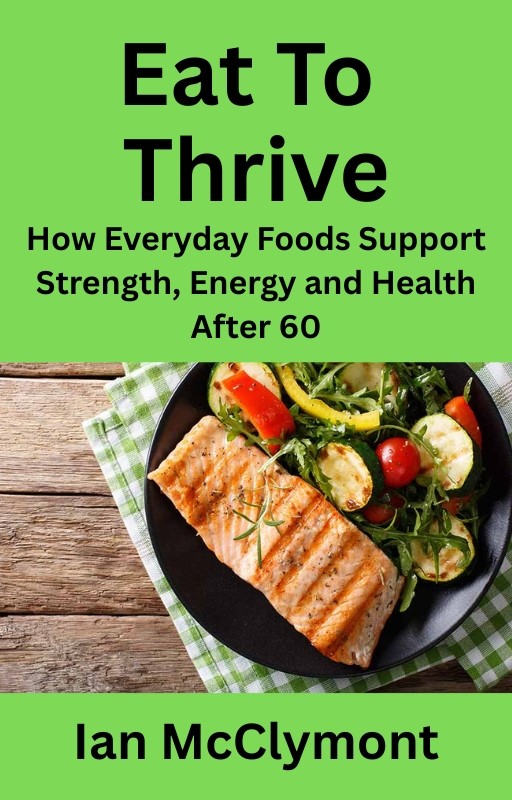
Food should support your life — not complicate it.
This book focuses on realistic nutrition that fits into everyday life. It is designed for older adults who want to:
• maintain strength
• improve energy
• support their overall health
• and continue living independently
Why Diet Matters More as We Age

A Balanced Diet for Seniors. For example, ageing brings natural changes to the body.
Here, Muscle mass can reduce. Appetite may change. Digestion can become slower. As an example, some people become less active, while others find they need more protein and nutrients to maintain strength and energy.
This means that every meal matters. But older adults do not necessarily need to eat more food. Thus, They need to eat better food.
A balanced diet can help support:
- Muscle strength
- Bone health
- Energy levels
- Immune function
- Healthy digestion
- Brain health
- Balance and mobility
- Recovery after illness
It can also help reduce the risk of becoming weak, tired, or undernourished.
What Does a Balanced Diet Mean?

A Balanced Diet for Seniors. As a rule, a balanced diet means eating a variety of foods that provide the body with the nutrients it needs.
Therefore, for seniors, this usually includes:
- Protein foods
- Vegetables and fruit
- Whole grains or other healthy carbohydrates
- Healthy fats
- Dairy or calcium-rich alternatives
- Enough fluids
By the way, no single food can provide everything. that is why variety is important.
Protein: Essential for Strength

A Balanced Diet for Seniors. Incidentally, protein is one of the most important nutrients for older adults.
In this case, it helps maintain muscle, supports healing, and plays a role in keeping the body strong. As a result, as we age, losing muscle can affect balance, mobility, and confidence.
Good protein choices include:
- Eggs
- Fish
- Chicken
- Lean meat
- Greek yoghurt
- Cottage cheese
- Beans and lentils
- Tofu
- Nuts and seeds
Try to include protein with each main meal. Also, it does not have to be complicated. Hence, eggs at breakfast, fish at lunch, or chicken with vegetables can all help.
Vegetables and Fruit: Colour on the Plate
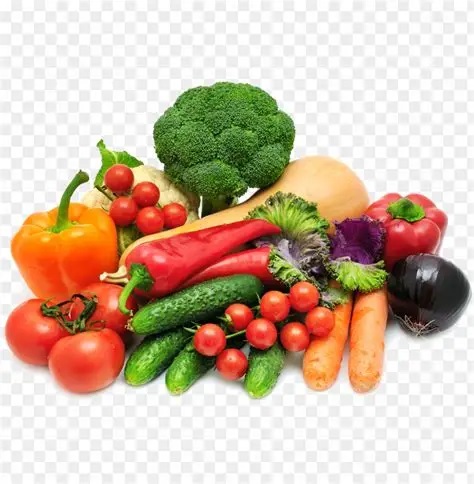
A Balanced Diet for Seniors. Here, vegetables and fruit provide vitamins, minerals, fibre, and antioxidants.
Besides, they support digestion, immune health, and general wellbeing. And a simple rule is to add colour to the plate.
Examples include:
- Leafy greens
- Carrots
- Tomatoes
- Peppers
- Broccoli
- Berries
- Apples
- Oranges
- Bananas
A Balanced Diet for Seniors. Such as, fresh, frozen, and canned options, can all be useful. However, if using canned fruit, choose fruit in juice rather than syrup when possible.
Healthy Carbohydrates for Energy
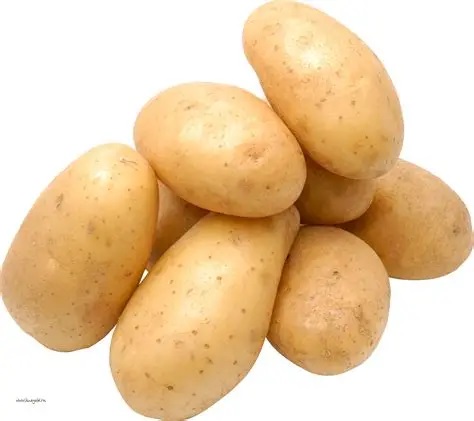
A Balanced Diet for Seniors. Carbohydrates are not the enemy. The body needs energy, especially if you are staying active.
The key is choosing better carbohydrates most of the time.
Good options include:
- Oats
- Wholegrain bread
- Brown rice
- Potatoes
- Sweet potatoes
- Beans
- Lentils
- Wholegrain pasta
These foods provide energy and often contain fibre, which helps digestion.
Healthy Fats
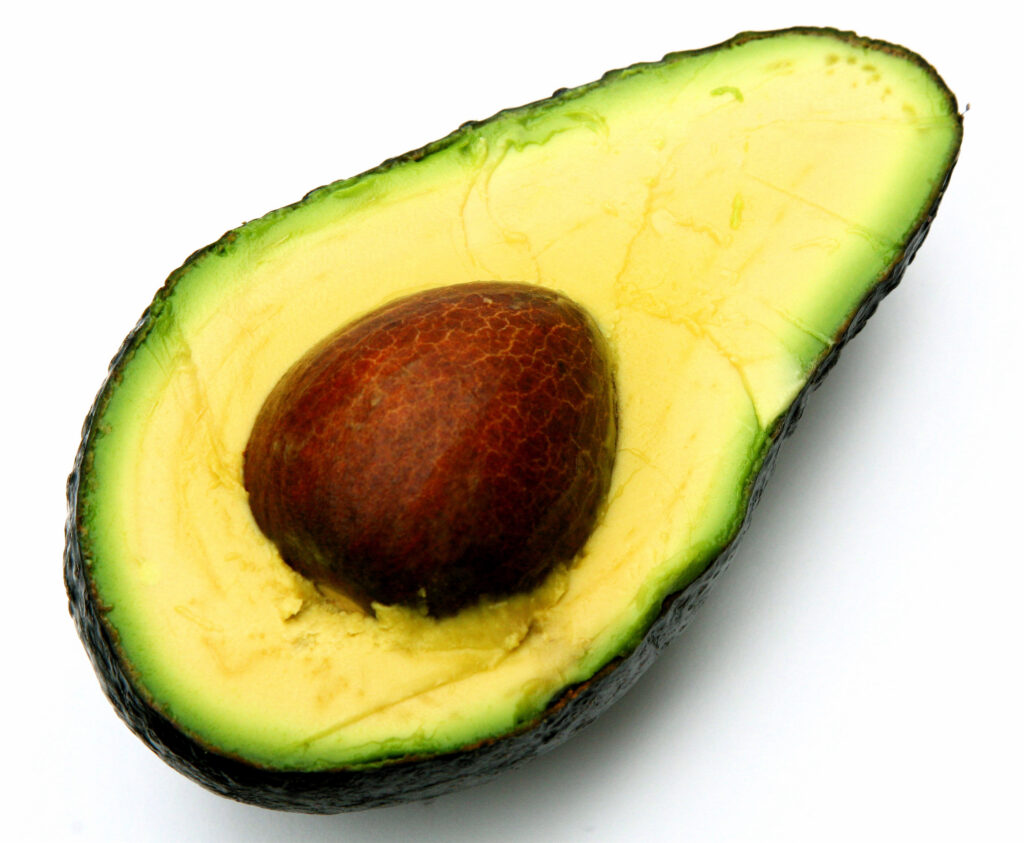
A Balanced Diet for Seniors. Healthy fats are important for the brain, joints, hormones, and general health.
Good sources include:
- Olive oil
- Avocado
- Nuts
- Seeds
- Oily fish such as sardines, salmon, or mackerel
The aim is not to avoid fat completely, but to choose better fats and use them sensibly.
Calcium and Bone Health
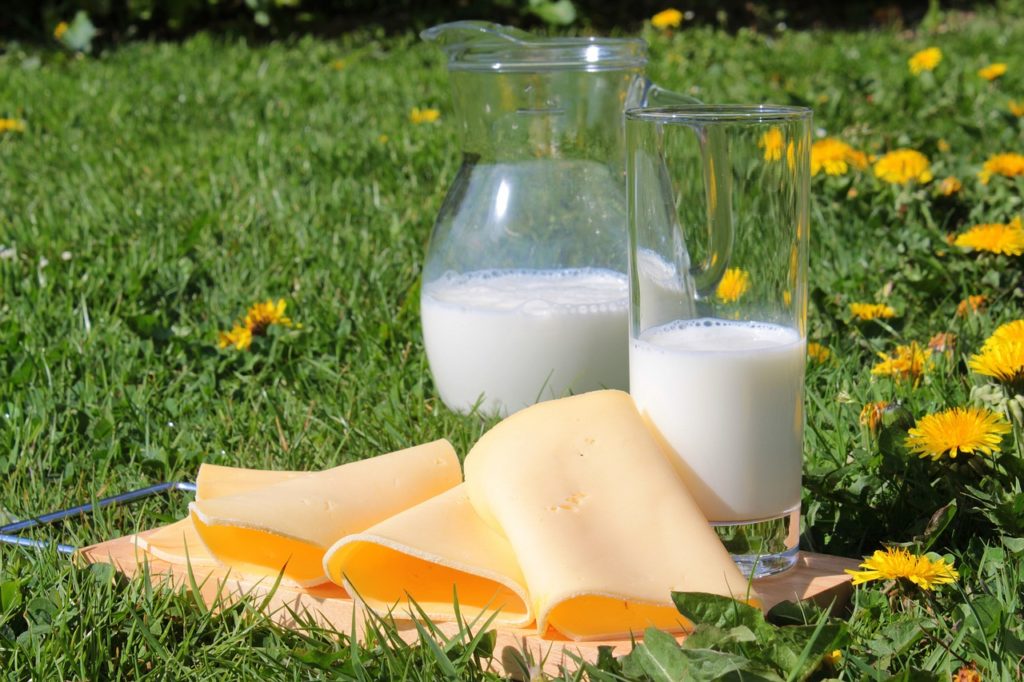
A Balanced Diet for Seniors. Bones need attention as we age.
Calcium, vitamin D, protein, and weight-bearing activity all play a role in maintaining bone strength.
Calcium-rich foods include:
- Milk
- Yoghurt
- Cheese
- Fortified plant milks
- Tinned sardines with bones
- Leafy green vegetables
For some people, vitamin D may also be important, especially if they get little sunlight. Anyone concerned about bone health should speak with a doctor or qualified health professional.
Hydration: Often Forgotten

A Balanced Diet for Seniors. Many older adults do not drink enough.
Thirst can reduce with age, and some people avoid drinking because they worry about needing the toilet too often. However, dehydration can lead to tiredness, dizziness, confusion, headaches, constipation, and increased risk of falls.
Water is best, but fluids can also come from:
- Tea
- Soups
- Milk
- Herbal drinks
- Fruit and vegetables with high water content
A simple habit is to keep a glass or bottle of water nearby during the day.
Eating Well Does Not Need to Be Expensive

A balanced diet does not have to rely on costly foods.
Affordable healthy foods include:
- Eggs
- Oats
- Beans
- Lentils
- Cabbage
- Carrots
- Tinned fish
- Frozen vegetables
- Rice
- Potatoes
Simple meals can still be nutritious.
A bowl of oats with fruit, eggs with vegetables, lentil soup, or tinned fish with salad and potatoes can all be practical, affordable choices.
Appetite Changes
Some seniors find they cannot eat large meals anymore.
If appetite is reduced, it may help to focus on smaller meals that are nutrient-rich.
For example:
- Eggs on toast
- Greek yoghurt with fruit
- Soup with beans or chicken
- Fish with vegetables
- A smoothie with milk, yoghurt, and fruit
The aim is to make each meal count.
The Role of Routine
A healthy routine can make eating well easier.
This might mean:
- Planning meals ahead
- Keeping simple ingredients available
- Eating at regular times
- Preparing extra portions
- Choosing easy meals on low-energy days
The best diet is not the most complicated one. It is the one you can maintain.
A Simple Balanced Plate
A useful guide is to build meals around three basic parts:
Protein
Vegetables or fruit
A healthy carbohydrate or fat
For example:
- Eggs, tomatoes, and wholegrain toast
- Chicken, vegetables, and potatoes
- Fish, salad, and rice
- Lentil soup with vegetables
- Greek yoghurt, fruit, and nuts
Simple meals like these can provide strength, energy, and nourishment.
Final Thoughts
A balanced diet for seniors is not about perfection. It is about eating in a way that supports the life you want to live.
As we get older, food should help us stay strong, active, independent, and able to enjoy daily life. That does not require complicated diets or expensive ingredients. It requires sensible choices, made consistently.
Eat enough protein. Add colour with vegetables and fruit. Drink enough fluids. Choose simple, nourishing meals. Keep moving where possible. Small daily habits can make a big difference over time.
Healthy ageing is not built in one day. It is built through the ordinary choices we make again and again.
Ian McClymont
The Pensioners’ Pensioner
Recommended Reading
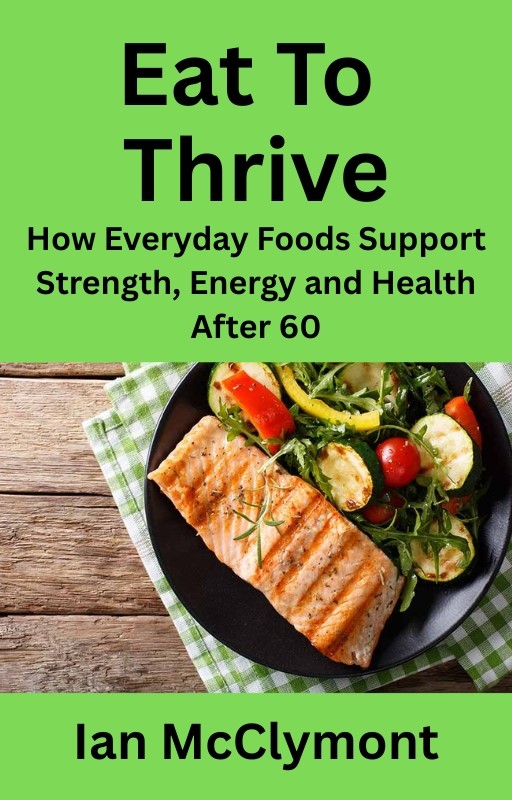
E-Book or
B0H65YMBZZ Paperback
Food should support your life — not complicate it.
A Practical Approach to Nutrition You do not need strict diets, expensive ingredients, or complicated meal plans to benefit from good nutrition.
What you need is:
• a clear understanding of what your body needs
• simple, practical food choices
• consistency over time
This book focuses on realistic nutrition that fits into everyday life. It is designed for older adults who want to:
• maintain strength
• improve energy
• support their overall health
• and continue living independently
In Conclusion
Maintaining a healthy diet is important for your health no matter your age. A healthy diet that focuses on lean protein, plenty of fruits and vegetables, and limiting added sugar is good advice all around.
But as you get older, particularly after the age of 65 or so, eating healthy can become more challenging. “As you age, your body can have a harder time with certain functions, like maintaining your heart health, kidney function, bone regeneration and more,”
“But getting proper nutrition — like enough protein and the proper amount of vitamins and other nutrients — is an important part of helping to keep those systems and others strong and functioning at their best.” “It’s important that older adults who experience changes in appetite and weight see a doctor before making any dietary changes,” “Take good care of yourself, and address your nutrition concerns head-on so a proper plan can be put in place for you to get back on track to being your best you.”
Important Note *
Remember that everyone is different, it is ultimately YOUR RESPONSIBILITY to find what your body responds to. So please do your due diligence before trying anything new, including getting Medical Advice to ensure your safety and peace of mind.
Connect with me and leave a comment