Dehydration in Older Adults is Common
Dehydration in Older Adults 3
- 1. Age-related physical changes As we age, our bodies contain less water, partly because our kidneys become less efficient. …
- 2. Medication side effects Many medications that are commonly prescribed to seniors can act as diuretics (i.e., they can increase the production of urine) and contribute to dehydration. …
- 3. Incontinence issues …
- 4. Fear of falling …
- 5. Living conditions …
Seniors are more susceptible to dehydration for several reasons.
Dehydration risk factors
Dehydration in Older Adults 3. Older adults are more susceptible to dehydration for several reasons.
- A decline in total body fluid. As we age, the amount of fluid in our bodies begins to decrease. This means there are fewer water reserves available for your body to use as you get older.
- Lowered thirst response. Feeling thirsty is your body’s way of letting you know you need water. However, because the thirst response becomes weaker with age, older adults may not know they need to drink.
- Decreased kidney function. The function of the kidneys can decline with age, meaning that more water may be lost through urination.
- Health conditions and medications. Some older adults have underlying health conditions or take medications. In some cases, these conditions or meds can lead to an increase in water loss through urination.
What can cause Dehydration?

Dehydration in Older Adults 3. Dehydration can have a variety of causes. Below are some of the most common causes of dehydration in older adults:
- Heat exposure. Spending time in hot or humid conditions can lead to increased fluid loss through sweating.
- Illness. Being sick with symptoms like fever, vomiting, or diarrhea can cause dehydration.
- Mobility problems. It may be more difficult for older adults with mobility issues to be able to get water on their own.
- Underlying health conditions. Some underlying health conditions, such as diabetes or kidney disease, can cause you to lose more fluid than normal.
- Medications. A side effect of some medications may be increased urination, which can cause additional fluid loss. Some examples of medication that can cause increased urination include diuretics and certain blood pressure medications.
what are the symptoms to look out for?
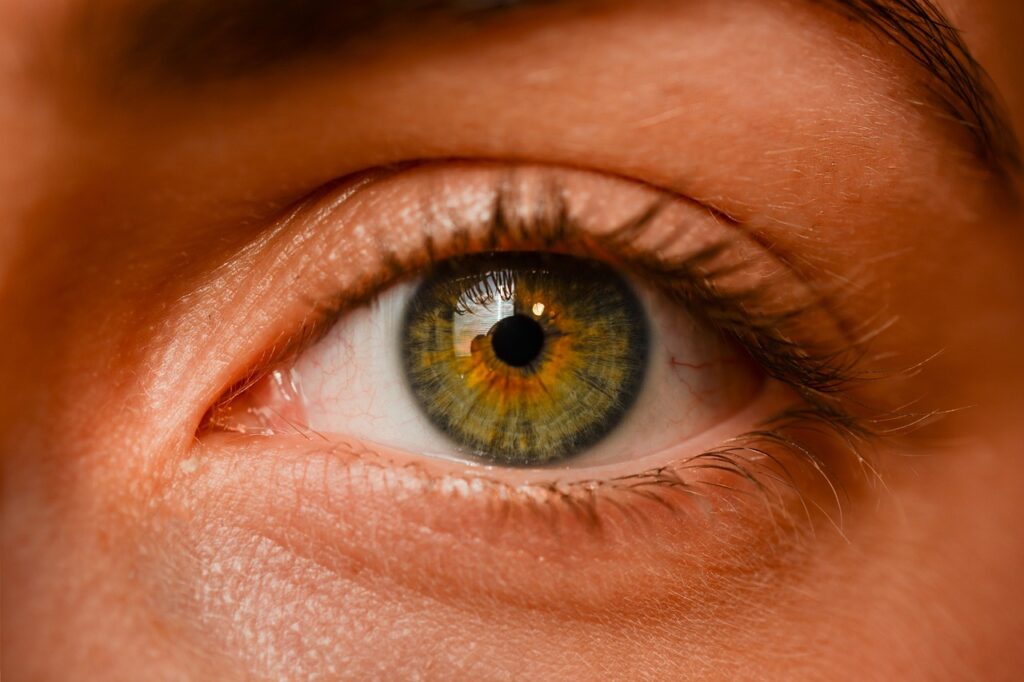
Dehydration in Older Adults 3. Some common signs and symptoms of dehydration include:
- dry mouth
- tiredness or fatigue
- sunken eyes
- a decrease in urination
- urine that’s a darker color than normal
- muscle cramping
- feeling dizzy or lightheaded
More serious dehydration symptoms require immediate medical attention. These symptoms include:
- a rapid heart rate
- trouble with movement or walking
- confusion or disorientation
- fainting
- diarrhea or vomiting that lasts longer than 24 hours
If Dehydration is not treated

Dehydration in Older Adults 3. It can lead to serious complications, such as:
- urinary and kidney problems, including urinary tract infections, kidney stones, and even kidney failure
- seizures due to low levels of potassium and sodium
- heat exhaustion or heatstroke
- hypovolemic shock, a life-threatening complication that causes a drop in blood pressure and oxygen levels due to low blood volume
What are the Treatment Options?
Dehydration in Older Adults 3. Treatment for dehydration involves replacing the fluids that have been lost. For mild to moderate dehydration, this includes drinking water or other fluids, such as juices or broths.
Sometimes, vomiting or diarrhea can lead to a significant loss of electrolytes as well as water. In these situations, drinking beverages that contain electrolytes may be helpful. Examples include sports drinks and Pedialyte.
If dehydration is more severe, hospitalization may be needed. In this situation, fluids and electrolytes will be given intravenously.
Tips to Prevent Dehydration

Dehydration in Older Adults 3. If you’re an older adult, the following tips may help you stay well-hydrated:
- Try to drink water throughout the day. Other beverages that may also help with hydration include milk, flavored sparkling water, and fruit juices with low sugar. Drink coffee and tea sparingly, as they can have diuretic effects.
- If it’s hard to drink too much liquid all at once, take small sips.
- Try to include foods in your diet that have higher water content. Some examples include watermelon, cucumber, celery, strawberries, and low-sodium broths or soups.
- If you don’t find water very appealing, try adding a slice or squeeze of lemon or lime to add flavor.
- Plan to drink more water if you’re going to be out in hot or humid conditions for a prolonged period of time, or if you’re going to be exercising.
- If you’re ill with symptoms like fever, vomiting, or diarrhea, make sure to drink more fluids than normal.
- If you have an underlying health condition, speak with your doctor about your specific fluid and hydration needs.
Caregiver Advice
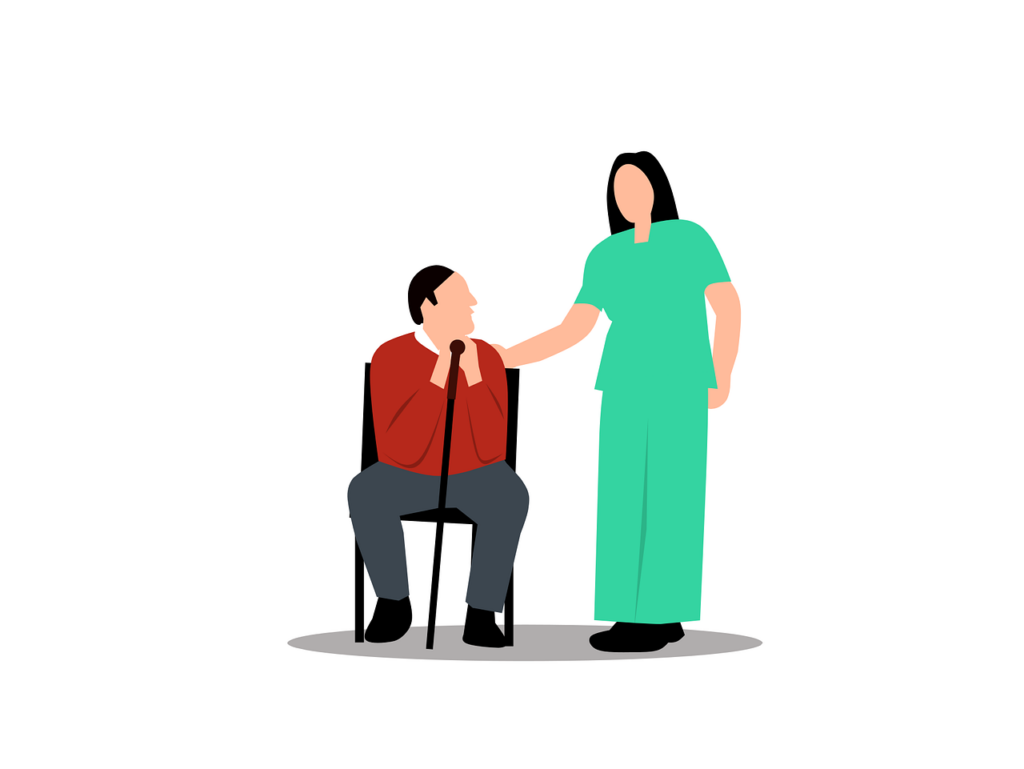
Dehydration in Older Adults 3. If you’re a caregiver for an older adult, you can do the following to help prevent dehydration:
- Remind them to hydrate throughout the day, especially during mealtimes and after exercise or exertion.
- Keep water in places where it’s accessible and easy to reach.
- Implement easier access to the bathroom if they’re concerned about not making it to the toilet in time after drinking fluids.
Recommended Reading

https://www.amazon.co.uk/dp/ B0GT6JWP6Z e-book or B0H65YMBZZ paperback
A Practical Approach to Nutrition
You do not need strict diets, expensive ingredients, or complicated meal plans to benefit from good nutrition.
What you need is:
• a clear understanding of what your body needs
• simple, practical food choices
• consistency over time
This book focuses on realistic nutrition that fits into everyday life.
It is designed for older adults who want to:
• maintain strength
• improve energy
• support their overall health
• and continue living independently
This book will show you how.
In Conclusion
Older adults are more susceptible to dehydration. So then, there are many reasons for this, including lower fluid content in the body. Also, decreased thirst response, and medications or underlying health conditions. However, recognizing the symptoms of dehydration is important so you can work to replace lost fluids. In addition, look out for symptoms like dry mouth, fatigue, dark-colored urine, and lightheadedness.
Treating dehydration involves replacing lost fluids. But you can work to prevent dehydration by making sure you regularly take in fluids throughout the day. Furthermore, this can include water, juices, broths, or foods with high water content. For example, if you’re unsure of your hydration needs, talk to your doctor to find out how much water you should be drinking each day.
Important Note *
Remember that everyone is different, it is ultimately YOUR RESPONSIBILITY to find what your body responds to. So please do your due diligence before trying anything new, including getting Medical Advice to ensure your safety and peace of mind.
Connect with me and leave a comment
2 replies on “Dehydration in older adults 3”
Thanks Allan. Your tips are everywhere helpful. God bless you.
Sarah
Thank you Sarah, I hope you are keeping well. All the best Ian