
What is Inflammation
Foods that Reduce Inflammation. When people talk about inflammation, they’re actually talking about your immune system’s response to a perceived injury or infection. When you’re injured, this inflammation is actually a good thing. The area you injured will become red and swell as an army of beneficial white blood cells flow in to fight infection and help you heal. The same response occurs in other parts of your body when you encounter a virus or infection.
But sometimes this immune response occurs when it shouldn’t. It can be triggered, for example, when you are exposed to toxins, and by other causes such as chronic stress, obesity, and autoimmune disorders. In these cases, instead of moving in, healing the problem, and then returning to normal, the inflammation persists over time. It’s thought that this chronic state of inflammation can lead to numerous health problems, including heart disease, arthritis, depression, Alzheimer’s disease, and even cancer.
To combat this damaging chronic inflammation, choose the right foods, avoiding those that can trigger chronic inflammation, including red meat, refined carbohydrates (such as white bread and muffins), fried foods, and sugary drinks. Instead, opt for green leafy vegetables and fruits, nuts, fatty fish, and olive oil. Also focus on exercising enough, getting the right amount of sleep, and keeping stress under control.
The Anti Inflamatory Effect
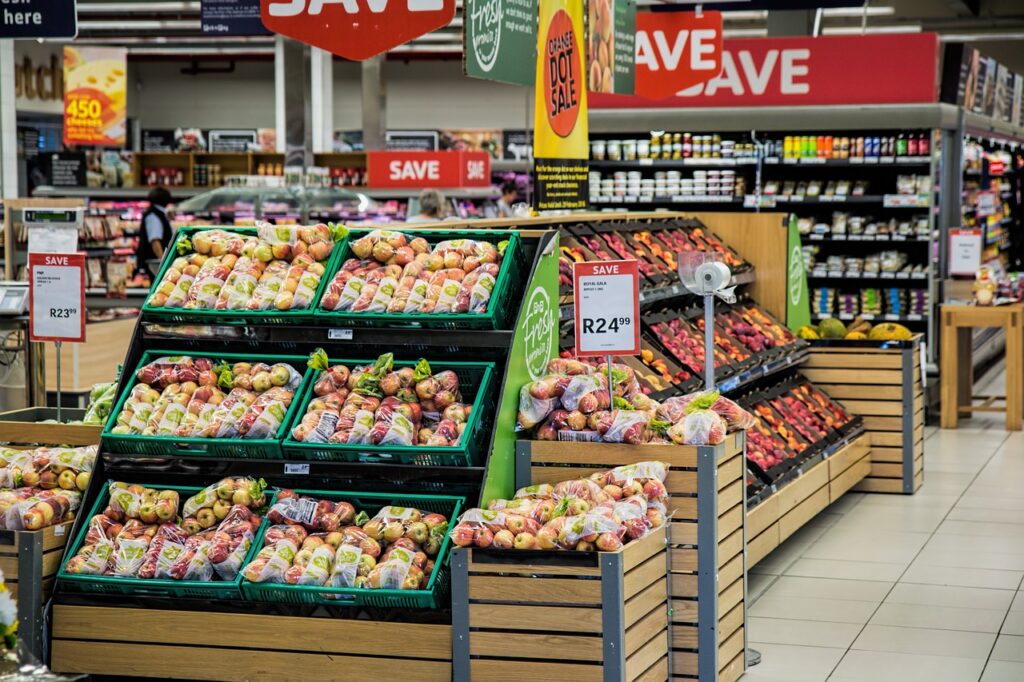
Foods that Reduce Inflammation. One of the most powerful tools to combat inflammation comes not from the pharmacy, but from the grocery store. “Many experimental studies have shown that components of foods or beverages may have anti-inflammatory effects,” Choose the right anti-inflammatory foods, and you may be able to reduce your risk of illness. Consistently pick the wrong ones, and you could accelerate the inflammatory disease process.
Foods that cause inflammation

Foods that Reduce Inflammation. Try to avoid or limit these foods as much as possible:
- refined carbohydrates, such as white bread and pastries
- French fries and other fried foods
- soda and other sugar-sweetened beverages
- red meat (burgers, steaks) and processed meat (hot dogs, sausage)
- margarine, shortening, and lard
The health risks of inflammatory foods

Foods that Reduce Inflammation. Not surprisingly, the same foods on an inflammation diet are generally considered bad for our health, including sodas and refined carbohydrates, as well as red meat and processed meats.
“Some of the foods that have been associated with an increased risk for chronic diseases such as type 2 diabetes and heart disease are also associated with excess inflammation.” “It’s not surprising, say, doctors, since inflammation is an important underlying mechanism for the development of these diseases.”
Unhealthy foods also contribute to weight gain, which is itself a risk factor for inflammation. Yet in several studies, even after researchers took obesity into account, the link between foods and inflammation remained, which suggests weight gain isn’t the sole driver. “Some of the food components or ingredients may have independent effects on inflammation over and above the increased caloric intake.”
Anti-inflammatory foods
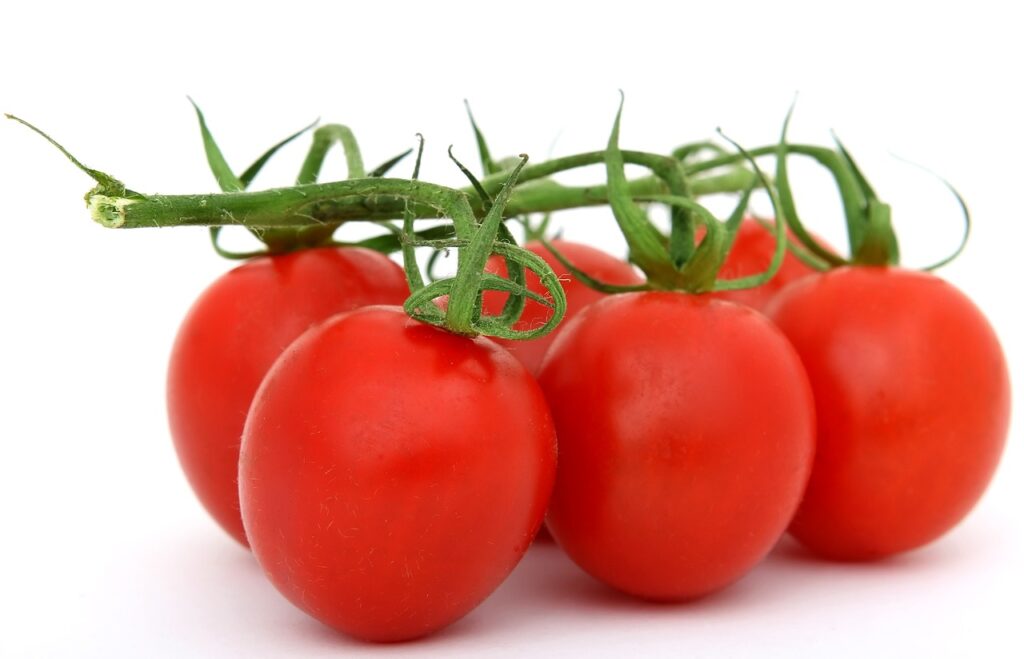
Foods that Reduce Inflammation. An anti-inflammatory diet should include these foods:
- tomatoes
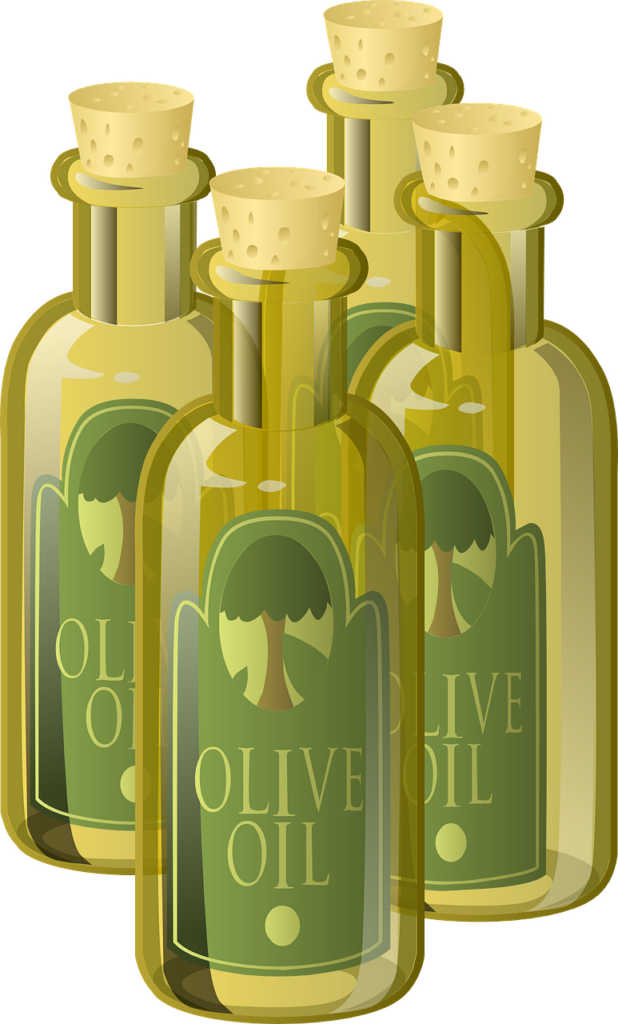
- olive oil
- green leafy vegetables, such as spinach, kale, and collards
- nuts like almonds and walnuts
- fatty fish like salmon, mackerel, tuna, and sardines
- fruits such as strawberries, blueberries, cherries, and oranges
Benefits of anti-inflammatory foods

beverages and foods that reduce inflammation, and with it, chronic disease. Also, note in particular
Foods that Reduce Inflammation. The flip side is beverages and foods that reduce inflammation, and with it, chronic disease. Also, note in particular fruits and vegetables such as blueberries, apples, and leafy greens that are high in natural antioxidants and polyphenols—protective compounds found in plants.
Studies have also associated nuts with reduced markers of inflammation and a lower risk of cardiovascular disease and diabetes. Coffee, which contains polyphenols and other anti-inflammatory compounds, may protect against inflammation, as well.
Anti-inflammatory diet
Foods that Reduce Inflammation. To reduce levels of inflammation, aim for an overall healthy diet. If you’re looking for an eating plan that closely follows the tenets of anti-inflammatory eating, consider the Mediterranean diet, which is high in fruits, vegetables, nuts, whole grains, fish, and healthy oils.
In addition to lowering inflammation, a more natural, less processed diet can have noticeable effects on your physical and emotional health. “A healthy diet is beneficial not only for reducing the risk of chronic diseases but also for improving mood and overall quality of life.
My Latest Book on Amazon Kindle

In Conclusion
We all have to eat, so it makes sense to eat foods that help to protect us against inflammation. By eating these foods we can help to fight diseases that are often started by the inflammation that we can have in our bodies. Keeping inflammation in control will go a long way to preventing unwanted health outcomes.
Important Note *
Remember that everyone is different, it is ultimately YOUR RESPONSIBILITY to find what your body responds to. So please do your due diligence before trying anything new, including getting Medical Advice to ensure your safety and peace of mind.
Connect with me and leave a comment or two on my social media.
7 replies on “Foods that Reduce Inflammation”
I appreciate all that you do to keep us healthy. I find it difficult to bend when I have to pick something up from the floor eg table tennis ball. What do you suggest for me ? Johann
Hi Johann, It sounds as if you have flexibility issues, you need a doctors advice to ensure there is no medical problem affecting your flexibility, once you have that and there is no issues then you can start to do some stretches which will over time allow you more flexibility. Thank you for your comment, all the best Ian
[…] Read the full article at —> INFLAMMATION REDUCTION […]
Hi Ian
Thanks for all your posts
I eat fish but my friends say I should stop because there is plastic in fish today..any advice?
Hi Gillian, Sorry for the delay in answering this comment. I also eat fish on a fairly regular basis, and minute amounts of plastic is a concern of mine, However, here is an article that may help you understand any risks from eating fish, read this article, https://oceanconservancy.org/blog/2021/10/18/eating-microplastics/ I hope this helps, all the best Ian
Oh gosh, I wish you would research more on your comment that red meat causes inflammation. It’s actually the opposite. You also listed tomatoes as anti-inflammatory. That is wrong as well, tomatoes are full of lectin, which increases inflammation. Nuts are also a really bad choice especially if you have any digestive issues, which a lot of us do at this age.
Hi Julie, first I apologise for the late reply. The blog has an automated spam system which is normally very good, and I do not need to monitor it, on a daily basis, however, every so often I check it, and was surprised to see your comment there. So let me answer your comment.
Under the Paragraph, Foods that cause inflammation
In order to follow posting rules for my blog I am required to put the post title at the start of each paragraph. This may have caused confusion.
The paragraph was Foods that cause inflammation, and under that was red meat (burgers, steaks) and processed meat (hot dogs, sausage)
Red meats in many cases are highly processed meats and that process makes them less healthy for humans, and so they are classified as liable to cause an inflammatory response in the human body.
Tomatoes, were under the title Anti-inflammatory foods,
For the overwhelming, majority of people, current evidence suggests that tomatoes are not inflammatory; rather, they are considered a health-promoting food. Large-scale nutritional studies and general dietary guidelines support the inclusion of tomatoes as a source of antioxidants and beneficial plant compounds. The perception that tomatoes cause systemic inflammation is largely unsupported by the established body of research on general population health.
Nuts
No commonly eaten nut has been shown to cause inflammation in healthy people. In clinical trials, nuts either reduce inflammatory markers or have no measurable effect on them. People eating nuts five or more times per week consistently show lower levels of C-reactive protein (CRP), one of the body’s main signals of inflammation, compared to people who rarely eat nuts. So where does the idea come from that certain nuts might be inflammatory? It comes down to a few specific situations: how nuts are processed, omega-6 concerns that don’t hold up in human studies, and individual conditions like allergies.
I hope this clarifies this for you, All the very best Ian