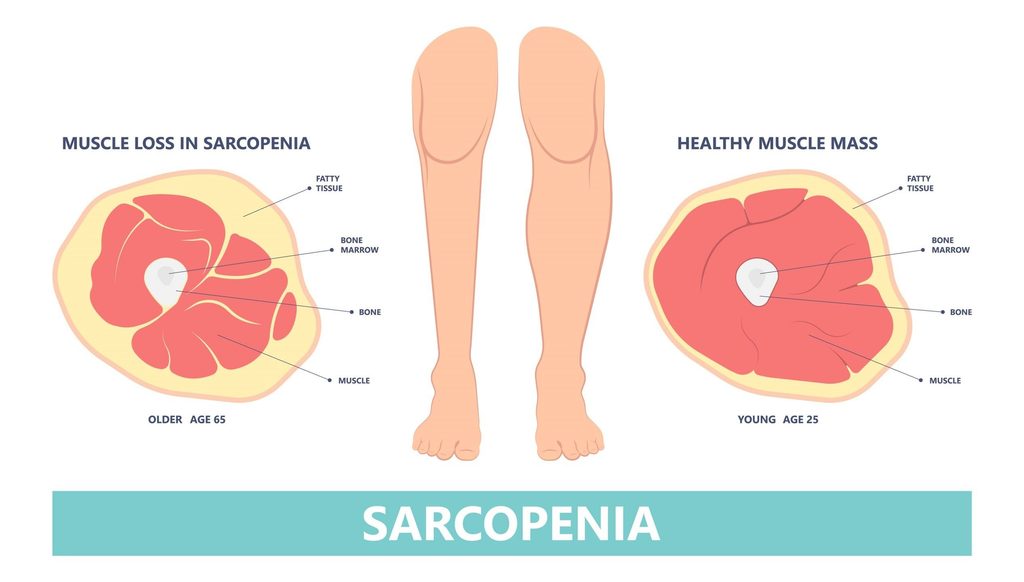
Why Maintaining Leg Strength After 60 Matters
Maintaining Leg Strength After 60. When we think about maintaining our health as we age, we often concentrate on our heart, blood pressure, weight and diet. However, one of the most important contributors to maintaining our independence receives far less attention — the strength of our legs.
Our legs carry us through life. They allow us to walk, climb stairs, rise from a chair, shop, travel, garden and participate in the activities we enjoy. Yet many of us take their strength for granted until everyday movements begin to become difficult.
A gradual decline in leg strength can significantly affect our mobility, confidence and independence. Although some age-related changes are inevitable, much of the loss of physical capability can be reduced through regular physical activity, resistance exercise and appropriate nutrition.
Maintaining strong legs after 60 is not about achieving an athletic appearance. It is about retaining the freedom to live life on our own terms.
Why We Lose Leg Strength as We Age

Maintaining Leg Strength After 60. As we grow older, our bodies natural Leg Strength undergoes changes that can affect muscle mass, strength and physical performance. One of these changes is known as sarcopenia, the age-related decline in muscle strength and muscle mass.
Several factors can contribute to this decline:
- Reduced physical activity.
- Age-related hormonal changes.
- Insufficient dietary protein and energy.
- Changes in the nervous system.
- Chronic illness and certain medical conditions.
- Extended periods of sitting or inactivity.
- Reduced participation in physically demanding activities.
Our leg muscles are particularly important because they support our body weight and are involved in almost every aspect of physical mobility.
When we stop challenging these muscles regularly, they gradually become weaker.
Ageing itself is not necessarily the greatest obstacle. Inactivity can significantly accelerate the decline.
Recognising the Early Warning Signs

The loss of leg strength often occurs gradually, making it easy to overlook. We may simply adjust how we perform everyday tasks without recognising why those adjustments have become necessary.
Some common warning signs include:
- Using your arms to push yourself out of a chair.
- Finding stairs increasingly difficult.
- Walking more slowly than you previously did.
- Becoming tired after relatively short walks.
- Difficulty getting up from the floor.
- Feeling unsteady when stepping off a pavement.
- Difficulty carrying shopping.
- Avoiding activities that were previously enjoyable.
Many older adults dismiss these changes as simply getting older. However, they may be warning signs that our muscles require more attention, although joint problems and other medical conditions can also contribute.
Recognising and addressing these changes early can help prevent further deterioration.
New, sudden or unexplained weakness should always be medically assessed.
Leg Strength and Fall Prevention
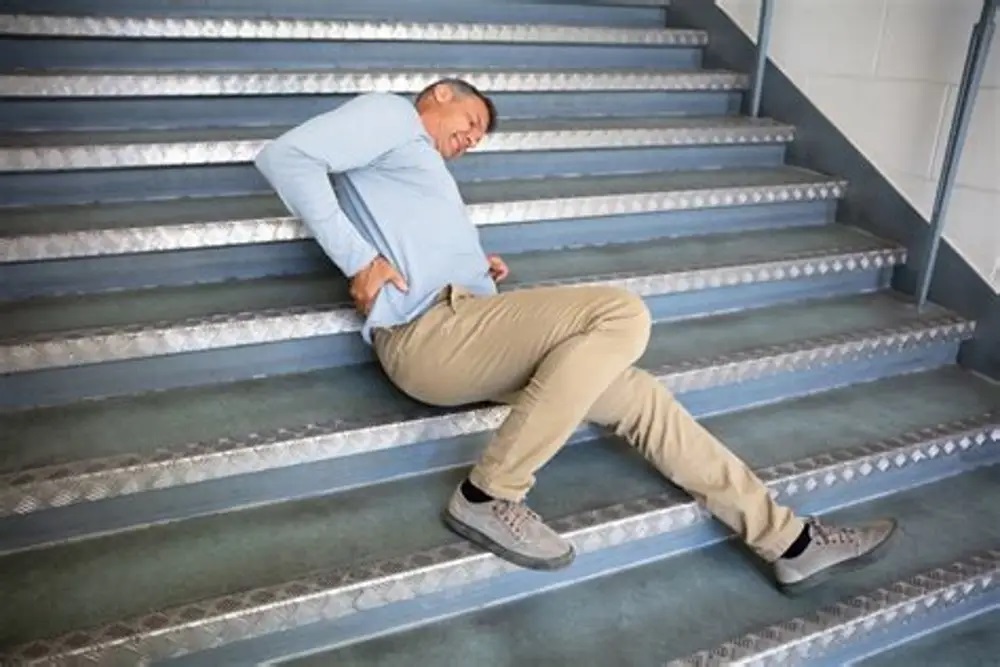
Maintaining Leg Strength After 60. Falls are a significant concern for older adults, and reduced lower-body strength is one of several factors that can increase the risk.
Strong leg muscles help us maintain stability, control our movements and respond to unexpected changes in our surroundings.
Imagine catching your foot on an uneven pavement or stepping onto an unexpectedly slippery surface. Your ability to recover your balance depends partly on how quickly and effectively your muscles respond.
Strong leg muscles can help us:
- Recover from a stumble.
- Maintain stability when changing direction.
- Walk confidently on uneven surfaces.
- Control our movements when descending stairs.
- Improve posture and physical stability.
- Maintain better control when sitting and standing.
However, strength alone is not sufficient. Balance, coordination, vision, reaction time and appropriate footwear are also important.
Combining strength exercises with regular balance training provides a more comprehensive approach to fall prevention.
The Connection Between Leg Strength and Independence
Maintaining Leg Strength After 60. Independence means different things to different people. For many older adults, it means being able to manage everyday life without continually relying on others.
Consider how many ordinary activities depend on the strength of our legs:
| Everyday activity | How leg strength helps |
|---|---|
| Getting out of bed | Supports standing and stability |
| Using the toilet | Allows controlled sitting and standing |
| Shopping | Supports walking and carrying groceries |
| Climbing stairs | Provides strength and movement control |
| Gardening | Assists bending, kneeling and standing |
| Travelling | Supports walking and navigating unfamiliar surroundings |
| Household chores | Improves mobility and physical endurance |
These activities may appear insignificant when we can perform them effortlessly. However, when they become difficult, the impact on our quality of life can be considerable.
Maintaining leg strength is therefore an investment in our future independence.
The Vicious Cycle of Inactivity
One of the greatest dangers of declining leg strength is the cycle of inactivity that can develop.
When our legs become weaker, physical activities become more difficult. Consequently, we may begin avoiding those activities, leading to further muscle weakness.
Breaking the cycle
Regular movement, progressive strength training, adequate nutrition and recovery.
Over time, this cycle can contribute to reduced mobility, loss of confidence, social isolation and increasing dependence on others.
The encouraging news is that we can often interrupt this cycle through appropriate and consistent exercise.
Even small improvements in strength can make everyday activities easier, encouraging us to become more active and confident.
Can We Rebuild Leg Strength After 60?

Absolutely.
Maintaining Leg Strength After 60. One of the most damaging misconceptions about ageing is the belief that we are too old to build muscle or improve our physical strength.
Research has consistently demonstrated that older adults, including people in their 70s, 80s and beyond, can improve muscle strength through appropriate resistance training.
Our muscles retain the ability to respond to physical challenges throughout life, although the rate of improvement and recovery may differ from when we were younger.
From My Own Experience
Maintaining Leg Strength After 60. When I began rebuilding my physical strength at the age of 71, I was experiencing the effects of age-related muscle loss myself.
I understood that if I continued allowing my physical strength to decline, my independence could eventually be compromised.
Through regular exercise, patience and determination, I gradually rebuilt my strength and physical capabilities.
Now, at 79, maintaining my strength remains an important part of my everyday life.
I do not exercise because I am trying to become younger. I exercise because I want to remain capable, active and independent for as long as possible.
Your starting point may be different from mine, but the principle remains the same.
We cannot stop the ageing process, but we can influence how it affects our physical capabilities.
Is Walking Enough to Maintain Leg Strength?
Walking is an excellent form of physical activity and offers numerous health benefits, including improved cardiovascular health, endurance, mobility and mental wellbeing.
However, walking alone may not provide sufficient resistance to maintain optimal muscle strength as we age.
Our muscles need to experience an appropriate physical challenge to stimulate improvements in strength.
This is why combining regular walking with resistance exercises is particularly beneficial for older adults.
Walking helps maintain our endurance, while resistance training helps maintain the muscular strength required to continue walking comfortably and confidently.
Both have an important place in healthy ageing.
The Importance of Nutrition

Exercise provides the stimulus for our muscles to become stronger, but nutrition provides the building materials necessary for muscle maintenance and recovery.
Protein becomes particularly important as we age because older muscles can become less responsive to smaller amounts of dietary protein.
Many healthy older adults can benefit from a daily protein intake of approximately 1.0 to 1.2 grams per kilogram of body weight, depending on their individual circumstances.
Good sources of protein include eggs, fish, poultry, lean meat, dairy products, beans, lentils and soy products.
Adequate calories, hydration, vitamin D and other essential nutrients also contribute to maintaining healthy muscles and bones.
Individuals with kidney disease or other conditions affecting their nutritional requirements should discuss appropriate protein intake with their healthcare professional.
Remember that exercise and nutrition work together. Neglecting either can limit the benefits of the other.
Consistency Is More Important Than Intensity
One of the mistakes we sometimes make when beginning an exercise programme is expecting immediate results.
Building strength takes time, particularly when we are recovering from an extended period of inactivity.
There is no need to compete with anyone else, and there is certainly no need to compare your present abilities with those you had 20 or 30 years ago.
Start from where you are today.
If you can only perform three chair sit-to-stand exercises comfortably, begin with three. Over time, three may become five, five may become eight, and eight may eventually become ten.
Every improvement represents progress.
The objective is not to exhaust ourselves but to gradually encourage our muscles to become stronger and more capable.
In Conclusion

Maintaining leg strength after 60 is about far more than physical fitness. It is about protecting our mobility, preserving our confidence and maintaining our ability to participate in everyday life.
The ability to get out of a chair, climb stairs, walk to the shops or enjoy time outdoors should never be taken for granted. These seemingly ordinary activities are among the foundations of an independent life.
Instead of waiting until weakness begins to restrict your independence, start taking small, manageable steps today to protect your physical capabilities.
You do not have to become an athlete. You simply need to give your muscles a reason to remain strong.
Ageing is inevitable, but surrendering our physical capabilities prematurely does not have to be.
Look after your legs today, and they may continue to carry you towards a stronger, healthier and more independent tomorrow.
Ian — The Pensioners’ Pensioner
Pensioner Fitness — Helping older adults navigate ageing with strength, understanding, dignity, and connection.
Recommended Reading
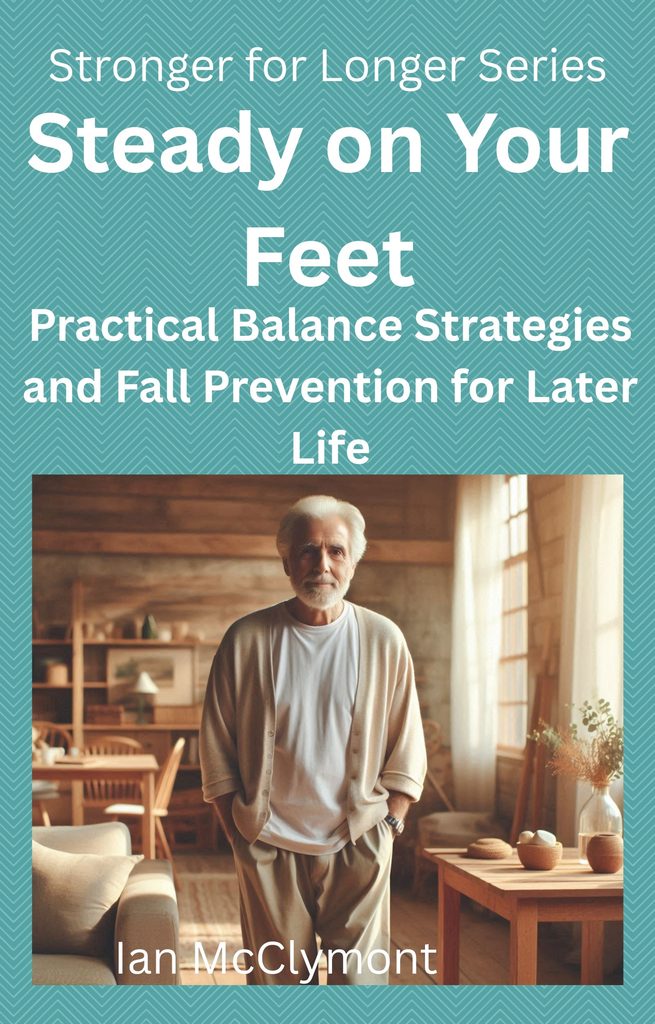
Steady on Your Feet
Practical Balance Strategies and Fall Prevention for Later Life
A practical guide to understanding balance, improving stability, reducing the risk of falls and maintaining confidence in everyday movement.
My suggestion is to display Steady on Your Feet with this article. It is a natural fit, particularly because we have emphasised the relationship between leg strength, balance and independence.
I would also insert links to two or three of your existing leg-strengthening exercise posts beneath the exercise section. I have left the actual links out rather than risk using incorrect addresses.
For the personal experience section, I believe a photograph of you exercising would be considerably more effective than a generic illustration. It reinforces the very principle that distinguishes Pensioner Fitness:
Fitness advice for older adults, demonstrated by an older adult.
Important Note *
Remember that everyone is different, it is ultimately YOUR RESPONSIBILITY to find what your body responds to. So please do your due diligence before trying anything new, including getting Medical Advice to ensure your safety and peace of mind.
Connect with me and leave a comment