What Older Adults Should Know About Microplastics
Are tiny plastic particles finding their way into our drinking water, and should we be concerned?
Pensioner Fitness – Helping older adults navigate ageing with strength, understanding, dignity, and connection.
Introduction Microplastics in Drinking Water
We all know how important drinking water is to our health, particularly as we grow older.
Water helps regulate body temperature, supports digestion, transports nutrients, and plays an essential role in keeping our bodies functioning properly.
As we age, our sense of thirst can become less reliable, making it particularly important to drink enough fluids throughout the day.
But there is another question that has attracted increasing scientific attention.
How clean is the water we drink, and could it contain tiny particles of plastic?
These particles are known as microplastics, and researchers have detected them in rivers, lakes, oceans, tap water and bottled drinking water.
More recently, scientists have also identified even smaller particles called nanoplastics.
Should older adults be concerned? Can these particles affect our health? And perhaps most importantly, is there anything practical we can do to reduce our exposure?
Let’s look at what we currently know.
What Are Microplastics?

Microplastics are tiny pieces of plastic measuring less than five millimetres across.
Some are produced when larger plastic objects gradually break down. Others originate from products and manufacturing processes that release small plastic particles.
They can come from everyday sources, including:
- Plastic bottles and food containers.
- Synthetic clothing and fabrics.
- Vehicle tyres.
- Plastic packaging.
- Household products and industrial waste.
Over time, these particles can enter the environment, eventually finding their way into water supplies and the food chain.
Nanoplastics are smaller still, generally measuring less than one micrometre. Their extremely small size makes them particularly difficult to detect and remove.
Are Microplastics Found in Bottled Water?
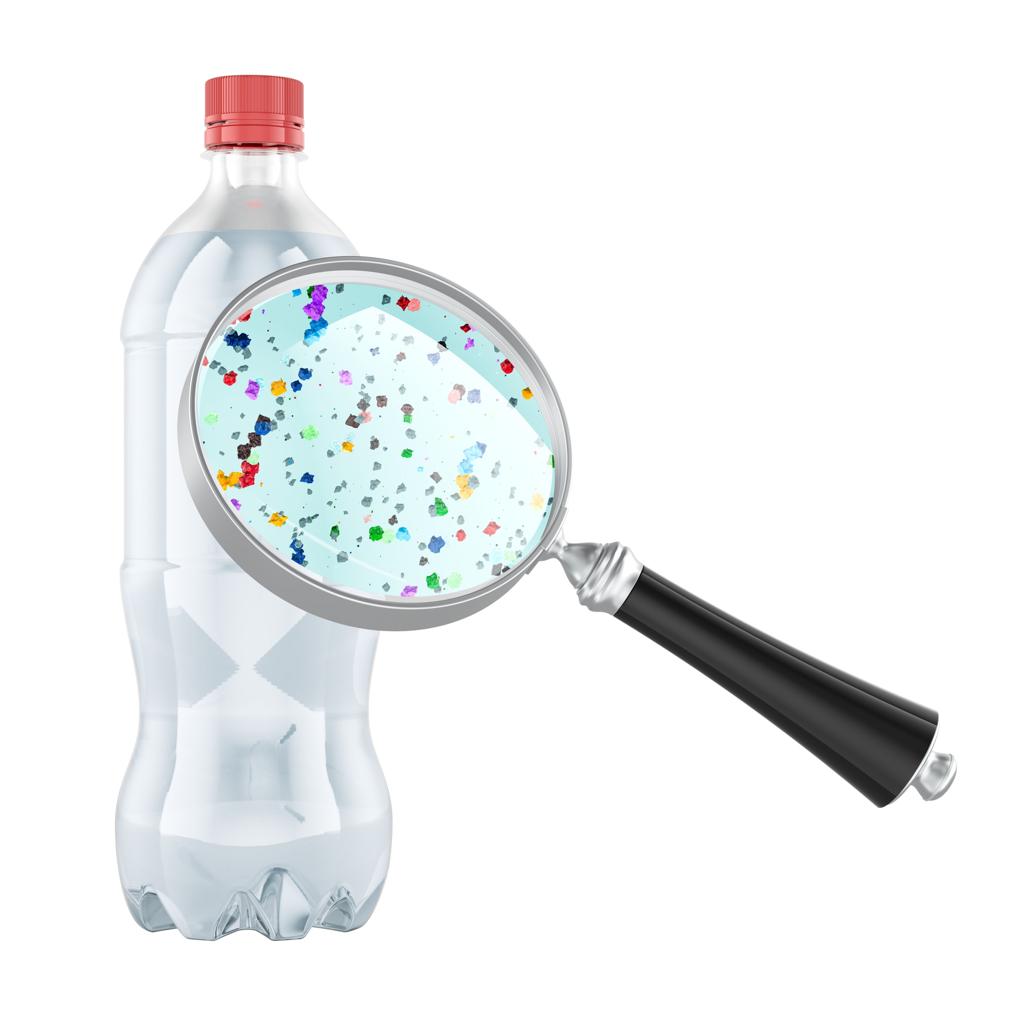
Yes. Scientific studies have detected microplastics in bottled drinking water.
This may surprise people who choose bottled water because they believe it is cleaner or safer than tap water.
A study published in 2024, using advanced imaging techniques, examined three brands of bottled water sold in the United States.
Researchers estimated an average of approximately 240,000 plastic particles per litre, with around 90% of the detected particles classified as nanoplastics.
This was an important scientific finding, although it does not mean every bottled-water brand contains the same number of particles.
The particles may originate from several sources, including the packaging, bottling equipment, filtration materials and bottle caps.
The important point is that bottled water should not automatically be considered free from plastic contamination.
Research reference: National Institutes of Health, “Plastic particles in bottled water,” January 2024.
What About Tap Water?

Microplastics have also been detected in tap water.
However, their presence and concentration can vary considerably depending on the water source, treatment methods, distribution systems and local environmental conditions.
In countries with reliable drinking-water treatment, tap water may be a perfectly suitable option.
In other locations, untreated or inadequately treated water may contain harmful bacteria, viruses, parasites or chemical contaminants.
This distinction is extremely important.
The presence of microplastics should never persuade someone to abandon a microbiologically safe water supply in favour of untreated water.
In many parts of the world, preventing waterborne infections remains a much more immediate health priority.
Can Microplastics Harm Our Health?
This is the question researchers are working hard to answer.
Scientists have detected plastic particles in various human tissues and biological samples, raising questions about how these particles enter the body, where they travel and whether they contribute to disease.
Laboratory and animal studies have suggested several possible biological effects, including inflammation, oxidative stress and changes in cellular function.
However, findings from laboratory experiments do not automatically demonstrate that the amounts people encounter through ordinary drinking water cause disease.
At present, there is insufficient evidence to establish the precise health risks associated with typical levels of microplastics and nanoplastics in drinking water.
Researchers still need to understand more about long-term exposure, different particle sizes, chemical composition and how these factors may affect human health.
The sensible approach is to remain informed, reduce unnecessary exposure where practical, and avoid becoming unnecessarily alarmed.
Why Should Older Adults Pay Attention?

As we grow older, maintaining good hydration becomes increasingly important.
Some older adults experience a reduced sense of thirst, while others may deliberately drink less because of concerns about frequent trips to the toilet.
Certain medications and medical conditions can also affect fluid balance.
Dehydration can contribute to problems such as dizziness, constipation, confusion and an increased risk of falls.
For these reasons, older adults should not reduce their water intake because they are worried about microplastics.
There is currently no established evidence that older adults face a specific additional health risk from microplastics in drinking water simply because of their age.
Nevertheless, understanding potential environmental exposures is part of making informed decisions about our health.
Can Water Filters Remove Microplastics?
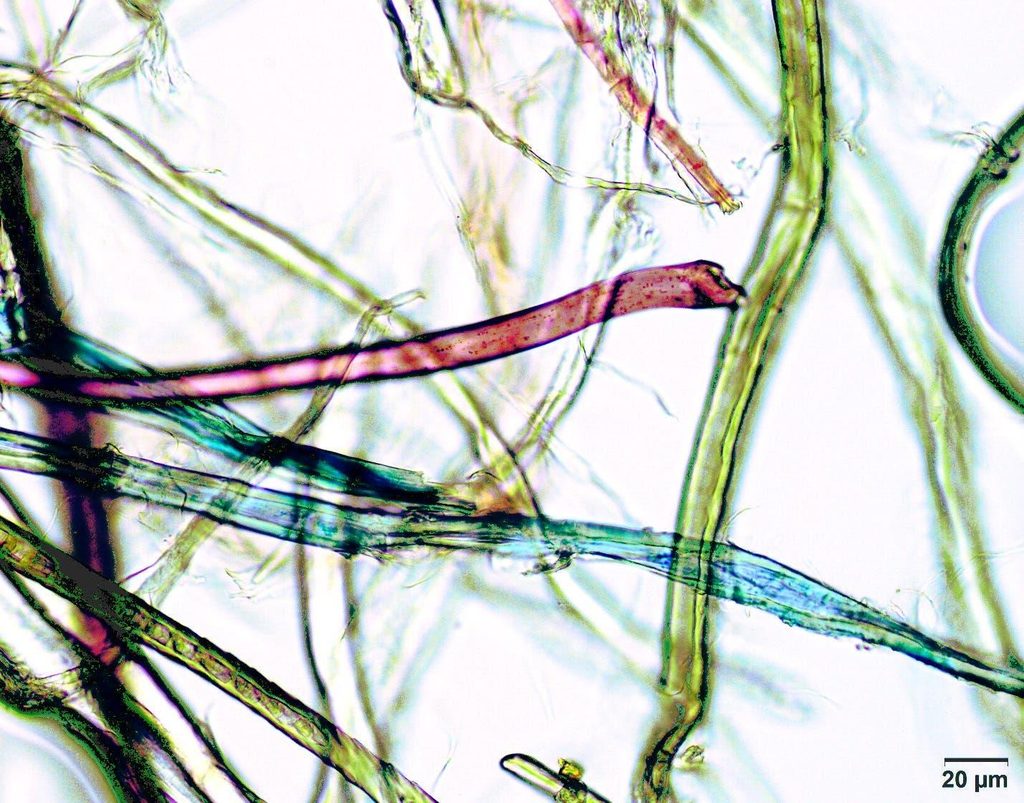
Fortunately, several water-filtration technologies can reduce plastic particles in drinking water.
But not all filters are equally effective.
1. Reverse Osmosis Filters
Reverse osmosis uses a specialised membrane to separate water from many dissolved substances and particles.
A properly designed and maintained reverse osmosis system can substantially reduce microplastics and many smaller particles.
However, these systems can be expensive, require regular maintenance and may waste some water during operation.
They also need appropriate treatment and maintenance to ensure the finished water remains microbiologically safe.
2. Ultrafiltration Systems
Ultrafiltration uses membranes with very small pores to remove suspended particles.
These systems can be effective against many microplastics, depending on the membrane’s pore size and the size of the particles present.
However, ultrafiltration does not necessarily remove the smallest nanoplastics or dissolved chemical contaminants.
3. Ceramic Water Filters
Ceramic filters contain extremely small pores that physically trap particles larger than their rated pore size.
They may reduce microplastics, although effectiveness depends on the filter design, pore size and independent testing.
Not all ceramic filters provide adequate protection against viruses or other microbiological hazards.
4. Activated Carbon Filters
Activated carbon is commonly used to improve the taste and smell of drinking water and to reduce certain chemicals.
However, activated carbon alone should not be assumed to remove all microplastics.
Some filtration products combine activated carbon with membranes or other technologies, which may improve their overall performance.
What Should You Look For When Buying a Filter?
Rather than relying on advertising promises, look for independently verified performance claims.
For example, some products are certified under NSF/ANSI 401 specifically for microplastics reduction.
Check that the certification applies to the exact model and contaminant claim, rather than assuming every filter from the same manufacturer performs identically.
Remember that a filter certified for microplastics reduction is not necessarily certified to remove bacteria, viruses or other potentially harmful contaminants.
Does Boiling Water Remove Microplastics?
Boiling water is widely used to help make microbiologically contaminated water safer.
But boiling does not destroy plastic particles.
Some research has suggested that boiling certain types of mineral-rich water may help trap microplastics within calcium carbonate deposits, allowing some particles to be separated afterwards.
However, this effect depends on water chemistry and the treatment method. It should not be considered a universally reliable way to remove microplastics.
Boiling also does not reliably remove chemical contaminants, and it is not a substitute for an appropriate filtration system.
Practical Ways to Reduce Exposure
There are several sensible precautions we can take without spending large amounts of money.
1. Store bottled water carefully.
Keep plastic water bottles away from direct sunlight and prolonged exposure to high temperatures. Follow the manufacturer’s storage instructions.
2. Avoid leaving bottled water in hot vehicles.
Excessive heat can affect plastic packaging and may increase the release of some substances or particles, depending on the material and conditions.
3. Consider alternative containers.
Where practical, use clean glass or stainless-steel bottles for storing and carrying drinking water.
These containers can reduce reliance on disposable plastic bottles, although the water itself must still come from a safe source.
4. Choose water filters carefully.
If you decide to purchase a filtration system, investigate its independently tested performance, replacement-filter costs and maintenance requirements.
5. Maintain filtration equipment properly.
Filters that are not cleaned or replaced according to the manufacturer’s instructions may become less effective and, in some circumstances, introduce additional hygiene problems.
6. Continue drinking enough water.
Do not allow concerns about microplastics to interfere with proper hydration.
7. Avoid unnecessary expense.
An expensive filter is not automatically a better filter. Look for evidence rather than impressive marketing claims.
Is Bottled Water Still a Sensible Choice?
For many people, particularly those living in countries where tap-water quality cannot always be guaranteed, bottled water remains a practical option.
Choosing a reputable supplier, ensuring bottles are properly sealed and storing them appropriately are sensible precautions.
Where tap water is not reliably safe, switching to untreated tap water simply to avoid plastic packaging could create a much greater health risk.
The priority must always be safe drinking water.
Reducing potential microplastic exposure is a worthwhile secondary consideration, but it should not compromise protection against established waterborne diseases.
Should We Be Worried About Microplastics in Food?
Microplastics have also been detected in various foods and beverages.
This suggests that drinking water is only one possible source of human exposure.
Scientists are continuing to investigate how particles enter the food chain and what happens after they are consumed.
At present, there is no scientifically established diet that completely eliminates microplastic exposure.
A varied, nutritious diet, appropriate food hygiene and safe drinking water remain important foundations of healthy ageing.
RECOMMENDED READING

Small Actions, Big Results
One of the most important ideas in this book is simple:
Small, consistent actions create lasting results
You do not need extreme routines or complicated plans.
Instead, progress comes from:
- Daily movement
- Balanced nutrition
- Good sleep
- Staying socially connected
- Managing stress
Over time, these habits work together to support long-term health and independence.
Building a Strong Foundation
This book is designed to help you build a strong foundation for later life.
It brings together key areas that influence longevity, including:
- Physical health
- Mental well-being
- Lifestyle habits
- Preventive care
Each chapter focuses on practical steps that you can apply in your daily life.
In Conclusion
Microplastics are an emerging environmental and public-health concern, and scientific research is revealing just how widespread these tiny particles have become.
Their presence in bottled water may surprise us, particularly when we have always associated bottled water with cleanliness and purity.
However, finding plastic particles in drinking water is not the same as proving that they cause harm at the levels normally encountered.
Much remains to be understood.
For older adults, the most sensible response is neither panic nor indifference.
We can take reasonable precautions, investigate reliable filtration methods, avoid unnecessary exposure to heat and plastic packaging, and remain informed as research develops.
But above all, we must remember that staying properly hydrated is essential to healthy ageing.
We should never allow concern about a possible future health risk to create an immediate one through dehydration or unsafe drinking water.
At Pensioner Fitness, my aim has always been to share practical information that helps older adults make informed decisions about their health and independence.
And sometimes, making an informed decision simply means understanding what science knows, what it does not yet know, and what we can reasonably do today.
Stay informed, stay hydrated, and stay healthy.
Ian, The Pensioners, Pensioner
Important Note *
Remember that everyone is different, it is ultimately YOUR RESPONSIBILITY to find what your body responds to. So please do your due diligence before trying anything new, including getting Medical Advice to ensure your safety and peace of mind.
Connect with me and leave a comment o