
The First Five Minutes After Waking Can Prevent Morning Falls

Prevent Morning Falls. “This routine is intended for generally healthy older adults. If you have a medical condition that causes frequent dizziness, fainting, or severe balance problems, it’s important to discuss these symptoms with your doctor.”
A Simple Morning Routine To Prevent Falls for Adults Over 60

Prevent Morning Falls. Have you ever jumped out of bed only to feel light-headed or slightly unsteady?
If so, you are not alone.
As we grow older, our bodies often need a little more time to adjust after several hours of sleep. A few simple habits during the first five minutes of your morning can help prepare your body for the day ahead.
Many healthcare professionals recommend taking your time before standing up. It isn’t about moving slowly because you’re getting older—it’s about allowing your body to adjust safely.
Why We Shouldn’t Jump Out of Bed

Prevent Morning Falls. During the night, we spend several hours lying flat. Our circulation, blood pressure and muscles are all in a resting state.
When we suddenly stand up, gravity immediately pulls blood towards our legs. In younger people, the heart, blood vessels and leg muscles usually adjust almost instantly. As we get older, that adjustment may take a little longer.
For some people, standing up too quickly can cause a temporary drop in blood pressure, leading to dizziness, light-headedness or unsteadiness. This increases the risk of a fall.
Think of It Like This
Imagine a bottle of water lying on its side.
When you stand the bottle upright, the water immediately moves to the bottom.
Our circulation does not behave exactly like a bottle of water, but gravity has a similar effect. When we stand after lying down all night, blood naturally moves towards our legs. Our heart, blood vessels and calf muscles work together to maintain a healthy blood supply to the brain.
Giving your body a minute or two to prepare can make that adjustment much easier.
A Simple Five-Minute Morning Routine
1. Wake Gently
Rather than jumping out of bed as soon as you wake, take a moment to relax.
Allow your body to wake naturally.
2. Take Slow, Deep Breaths
Spend about a minute breathing slowly and deeply.
This helps you relax, gently wakes your body and prepares you for movement.
3. Sit Up Slowly
Sit comfortably on the edge of the bed rather than standing immediately.
If you have ever experienced dizziness, pause here for a few seconds.
4. Drink a Glass of Water
After seven or eight hours without drinking, many of us wake slightly dehydrated.
A glass of water—around 250 to 300 ml (8–10 ounces)—helps replace fluids lost overnight and supports normal circulation.
Unless your doctor has advised you to restrict fluids, this is a simple healthy habit to develop.
5. Wake Up Your Legs
Before standing, gently move your feet.
Try:
- Ankle circles.
- Pointing your toes away from you.
- Pulling your toes back towards you.
- Gentle foot pumps.
These movements activate the calf muscles, sometimes called the body’s “second heart” because they help pump blood from the legs back towards the heart.
6. Stand Slowly
When you stand, pause for a few moments before walking away.
If you feel perfectly steady, continue with your day.
If you feel light-headed, simply sit down again and allow your body a little more time.
Small Habits Can Make a Big Difference

Prevent Morning Falls. This simple routine takes only a few minutes but may help reduce dizziness, improve circulation and lower the risk of falls.
It costs nothing.
It requires no special equipment.
Most importantly, it encourages us to work with our bodies rather than rushing them.
Final Thoughts
Prevent Morning Falls. Healthy ageing is often about the small things we do consistently.
The way we begin each morning can influence how steady, confident and comfortable we feel throughout the day.
Rather than rushing to get out of bed, give your body a few moments to prepare.
It is a simple habit that may help you stay stronger, steadier and more independent for years to come.
“I don’t claim to know everything about ageing. I simply share what has helped me stay strong, active and independent, in the hope that it may help others too.”
Recommended Reading!
Steady on Your Feet: Practical Steps to Improve Balance and Prevent Falls
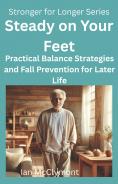
View on Amazon e-book
Also in paperback
In Conclusion
Maintaining balance and stability becomes increasingly important as we grow older.
Many people notice small changes in their movement as the years pass. Walking may feel slightly less steady, turning quickly might require a little more care, or climbing stairs may demand greater attention than it once did. These changes are a normal part of ageing, but they can sometimes lead to a growing concern about falling.
Falls are one of the most common causes of injury among older adults. In many cases, a fall can result in bruises, fractures, or other injuries that may affect mobility for weeks or even months. Beyond the physical effects, a fall can also have a significant psychological impact.
After experiencing a fall, many people begin to feel uncertain about their balance and movement. Activities that once felt routine—walking outside, moving around the home, or climbing steps—may suddenly seem more risky. This loss of confidence can lead to reduced activity, which may gradually weaken the muscles and further increase the risk of falling. This book can help you to understand how to prepare and prevent falls.
Ian McClymont
The Pensioners’ Pensioner
Important Note *
Remember that everyone is different, it is ultimately YOUR RESPONSIBILITY to find what your body responds to. So please do your due diligence before trying anything new, including getting Medical Advice to ensure your safety and peace of mind.
Connect with me and leave a comment
2 replies on “Prevent Morning Falls”
Thanks Allan. Very eductive topics as we grow older.
Thank you Sarah, always a pleasure to hear from you. Take care Ian