Staying Safe, Smart, and Secure at Home
Home Security for Older Adults. Generally, our home is where we should feel safest. But for older adults, feeling secure isn’t just about comfort. However, it’s about maintaining independence and peace of mind. And as technology evolves and communities change, Here, home security has become more important than ever. So then, this blog post explores what home security means, its historical context, why it’s especially critical for older adults. And practical steps older adults can take to stay safe and protected in their homes.
What Is Home Security?

Home Security for Older Adults. Subsequently, home security refers to the systems, practices, and tools designed to protect a residence. Also its occupants from intrusions, theft, and other threats. Furthermore, it can include physical measures like locks and alarms, as well as digital tools like security cameras, smart doorbells, and motion sensors.
At its core, home security is about prevention. Hence, deterring crime before it happens and about preparedness. Thus, ensuring residents can respond quickly and effectively if a threat arises.
A Brief History of Home Security
Home Security for Older Adults. The idea of protecting one’s home is ancient. From early locks made of wood in ancient Egypt to medieval castles with moats and drawbridges, humans have always valued the need to secure their homes.
In the 20th century, security systems became more widespread. In addition, with the invention of motion detectors, alarm systems, and surveillance cameras. Also, in recent decades, smart home technology has revolutionized the field, making it easier for anyone—including older adults—to monitor and protect their homes from anywhere.
Why Home Security Is Especially Important for Older Adults
Home Security for Older Adults. Subsequently, older adults can be more vulnerable to certain security risks due to factors such as:
- Mobility limitations, which may delay their ability to respond to emergencies.
- Living alone, which can make them targets for scams or burglaries.
- Physical or cognitive changes, which might impair awareness of suspicious behavior.
- Technological unfamiliarity, which may hinder the use of modern security tools.
Criminals sometimes target older adults precisely because they are perceived as more trusting or less capable of defending themselves. Having a good home security plan is a strong line of defense.
Smart Home Security Measures for Older Adults
Here, are practical, effective measures older adults can take to protect themselves and their homes:
1. Upgrade Locks and Doors
- Install deadbolt locks and reinforce doors with metal frames.
- Use a peephole or video doorbell to identify visitors before opening the door.
- Consider a security bar or door jammer for additional reinforcement.
2. Install a Home Security System
- Choose systems with features like 24/7 monitoring, emergency buttons, and remote access via smartphone (for those comfortable with technology).
- Some systems include wearable panic buttons that alert emergency services when pressed.
3. Use Smart Lighting
- Install motion-activated lights around entryways, driveways, and backyards.
- Use timers or smart bulbs to make it look like someone is home, even when you’re away.
4. Secure Windows
- Use locks or security film on windows.
- Install window sensors that alert you if a window is opened or broken.
5. Avoid Hiding Keys Outside
- Burglars know where to look. Instead, give a spare key to a trusted neighbor or family member.
- Consider a smart lock that allows you to grant access to others remotely.
Dealing with Visitors at the Door
For many older adults, unexpected visitors can cause anxiety. Here are some safety practices:
- Never open the door to strangers without confirming their identity.
- Use a video doorbell to see and speak with visitors without opening the door.
- Ask for ID from service workers or utility employees and call the company to verify if unsure.
- Don’t be pressured into signing contracts or making purchases at the door. Consequently, scammers often use urgency to manipulate trust.
Additional Safety Tips
- Keep emergency numbers (police, family, neighbors) in an easy-to-access location or saved on speed dial.
- Trim hedges and trees that may provide hiding places for intruders.
- Don’t advertise travel plans on social media or with obvious signs like stacked mail or dark windows.
- Join or start a neighborhood watch group to stay connected and aware of local activity.
Pensioner Fitness – Helping You Stay Strong, Steady, and Self-Reliant
Recommended Reading
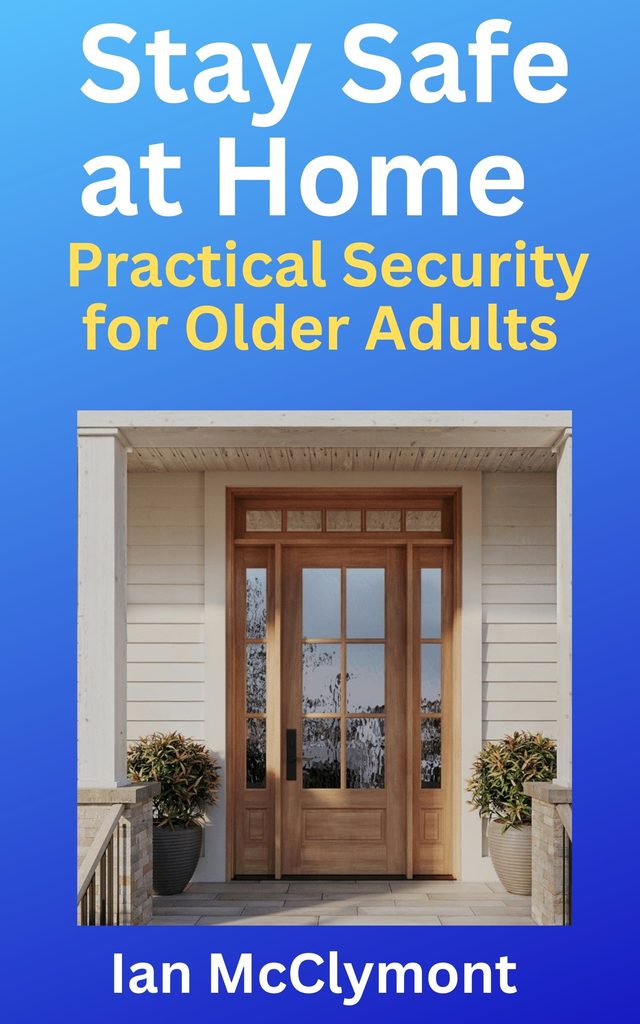
In Conclusion
Home security is not just about gadgets and locks—it’s about creating a safe, reassuring environment where older adults can live independently and confidently. Whether it’s installing a smart doorbell, getting to know your neighbors, or reinforcing your doors, every action taken toward security helps reduce risk and promote peace of mind.
Older adults and their loved ones—should take time to assess their home safety and make necessary adjustments. In a world where peace of mind is priceless, a secure home is one of the most valuable investments anyone can make.a
Important Note *
Remember that everyone is different, it is ultimately YOUR RESPONSIBILITY to find what your body responds to. So please do your due diligence before trying anything new, including getting Medical Advice to ensure your safety and peace of mind.
Connect with me and leave a comment