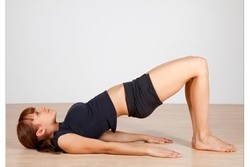
Kegel Exercises for Women
Why Pelvic Floor Strength Matters as We Age
Kegel Exercises for Women. After my recent post about Kegel exercises, I received two comments from female readers asking essentially the same question:
Are Kegel exercises useful for women too?
The answer is yes, they certainly can be.
Kegel exercises are exercises for the pelvic floor muscles, and these muscles are important for both women and men. For women, maintaining pelvic floor strength can become particularly important as we get older.
So, having recently looked at Kegel exercises from the male point of view, today I thought we should give the ladies equal attention.
What Is the Pelvic Floor?

Kegel Exercises for Women. The pelvic floor is a group of muscles and supporting tissues at the bottom of the pelvis.
You can think of these muscles rather like a supportive hammock. They help support organs including the bladder, bowel and uterus and also play an important role in bladder and bowel control.
Like other muscles in the body, pelvic floor muscles can become weaker.
For women, this can be associated with pregnancy and childbirth, ageing, menopause, being overweight, chronic coughing, constipation and other factors that repeatedly increase pressure on the pelvic floor.
Why Are Kegel Exercises Useful for Women?

Kegel Exercises for Women. Kegel exercises involve deliberately tightening and relaxing the pelvic floor muscles.
When performed correctly and regularly, pelvic floor muscle exercises can help some women improve bladder control and strengthen the muscles supporting the pelvic organs.
This can be particularly useful for women who experience small urine leaks when coughing, laughing, sneezing or exercising.
And although bladder control is probably the benefit most people associate with Kegel exercises, pelvic floor health is about more than that. These muscles contribute to everyday function and quality of life.
Why Kegel exercises matter

Kegel Exercises for Women. Many factors can weaken your pelvic floor muscles, including:
- Pregnancy.
- Childbirth.
- Surgery.
- Aging.
- Too much straining from constipation or lots of coughing.
- Being overweight.
You might benefit from doing Kegel exercises if you:
- Leak a few drops of urine while sneezing, laughing or coughing. This is known as stress incontinence.
- Leak urine after having a strong, sudden urge to urinate. This is called urge incontinence.
- Leak stool, also known as fecal incontinence.
How Do You Find the Correct Muscles?

Kegel Exercises for Women. This is one of the most important parts of doing Kegel exercises properly.
Imagine that you are trying to prevent yourself from passing wind while at the same time trying to stop the flow of urine. You should feel an inward lifting and tightening sensation around the pelvic floor.
You may occasionally identify the muscles by trying to stop urine flow, but do not routinely perform Kegel exercises while urinating. Regularly interrupting urine flow can interfere with normal bladder emptying.
Once you recognise the correct muscles, practise away from the toilet.
A Simple Kegel Exercise
Kegel Exercises for Women. Start in a comfortable position. Lying or sitting may be easiest while learning.
Gently tighten and lift the pelvic floor muscles.
Hold the contraction for around 3 seconds initially.
Then relax completely for approximately 3 seconds.
Repeat this several times.
As your control improves, gradually work towards holding the contraction for longer, up to around 10 seconds, followed by an equal period of relaxation.
A commonly recommended goal is around 10 repetitions at a time, three times during the day.
However, don’t worry if you cannot manage that immediately. As with any exercise, begin at a level that is comfortable and build gradually.
Don’t Forget to Relax
This is something that can easily be overlooked.
A good pelvic floor exercise isn’t simply about squeezing as hard as possible. The muscles also need to relax fully between contractions.
Try not to tighten your stomach, thighs or buttocks at the same time, and continue breathing normally.
The aim is controlled pelvic floor contraction—not tensing the whole body.
When Might You Notice a Difference?
Kegel Exercises for Women. Pelvic floor strengthening is not usually an overnight solution.
Like strengthening other muscles, improvement requires regular practice. Some women may notice changes after several weeks, while for others it can take a few months.
Consistency is more important than trying to exercise excessively.
A few minutes performed correctly every day is far more useful than doing a large number occasionally and then forgetting about them.
Kegels Are Not Always the Answer
Kegel Exercises for Women. There is an important qualification.
Not every pelvic floor problem is caused by weak muscles. In some women, pelvic floor muscles can be overly tight or have difficulty relaxing. In those circumstances, repeatedly performing more strengthening exercises may not be appropriate.
Women experiencing pelvic pain, pain during intercourse, difficulty emptying the bladder or bowel, a feeling of pressure or bulging in the vagina, persistent urinary problems, or uncertainty about whether they are performing the exercises correctly should speak with a healthcare professional.
A pelvic floor physiotherapist can assess how the muscles are functioning and recommend exercises appropriate to the individual.
Pelvic Floor Strength Is Part of Healthy Ageing
Kegel Exercises for Women. We regularly talk on Pensioner Fitness about maintaining our legs, arms, back, balance and general strength as we grow older.
The pelvic floor deserves some attention too.
These muscles may be hidden, but they perform an important job every day.
And just as we shouldn’t be embarrassed about discussing prostate health, erectile dysfunction or other aspects of men’s health, there should be no embarrassment in discussing bladder control, menopause or pelvic floor health for women.
They are simply parts of the ageing body that deserve sensible, practical attention.
Recommended Reading

Stronger for Longer: Staying Active, Independent and Confident After 60
Most people don’t really fear getting older.
What they fear is what they believe may come with it.
They worry about becoming unsteady, losing confidence, avoiding stairs, or thinking twice before leaving the house. They notice that standing up feels a little slower than it once did, that walking long distances requires more thought, and that recovering from a simple knock or illness takes longer than it used to.
Often this change happens quietly. There is no single day when it begins. Instead, small differences appear — a little less strength, a little less balance, a little more caution. Many people simply assume this is unavoidable and that the sensible thing to do is to accept it and gradually do less.
I realised that the real issue was not age itself. The real issue was capability.
This book is not about becoming an athlete, and it is not about complicated exercise routines. It is about understanding what is happening to the body as we grow older and learning how simple, consistent habits can preserve confidence, stability and independence.
Growing older is unavoidable. Becoming incapable is not.The purpose of this book is to explain, in clear and practical terms, how to remain stronger for longer and continue living life on your own terms.
In Conclusion
The two ladies who asked whether Kegel exercises are useful for women have given me the opportunity to clear up an important point:
Kegel exercises are certainly not just for men.
Performed correctly, pelvic floor exercises can be a simple and useful way for many women to maintain or improve pelvic floor strength and bladder control as they age.
The key words, however, are performed correctly.
Learn to identify the right muscles, start gently, breathe normally, allow the muscles to relax between contractions and practise consistently.
And if you have symptoms that concern you, or you’re unsure whether Kegels are appropriate for you, seek advice from a doctor or qualified pelvic floor physiotherapist.
Sometimes a reader’s simple question opens the door to a subject that deserves much more attention.
In this case, two readers asked—and I hope this answers both of you.
Ian – The Pensioners’ Pensioner
Remember that everyone is different, it is ultimately YOUR RESPONSIBILITY to find what your body responds to. So please do your due diligence before trying anything new, including getting Medical Advice to ensure your safety and peace of mind.
Connect with me and leave a comment