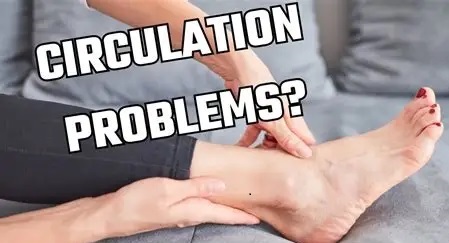
Introduction Poor Circulation in Feet and Legs
What Every Older Adult Should Know
Poor Circulation in Feet and Legs. Have you ever noticed that your feet feel unusually cold, your ankles swell by the end of the day, or your legs ache when walking? These symptoms may be signs of poor circulation.
As we age, our circulatory system naturally becomes less efficient. Blood vessels can become narrower, less flexible, and more prone to blockage. While some circulation changes are a normal part of ageing, others may indicate an underlying medical condition that requires attention.
The good news is that many causes of poor circulation can be improved through lifestyle changes, exercise, and appropriate medical treatment. Understanding the problem is the first step toward protecting your mobility, independence, and overall health.
What Is Poor Circulation?

Poor Circulation in Feet and Legs. Poor circulation occurs when blood cannot flow efficiently through the body’s arteries and veins.
The circulatory system is responsible for delivering oxygen and nutrients to every cell in the body while carrying away waste products. When blood flow is reduced, tissues receive less oxygen and nutrients, resulting in various symptoms and complications.
The feet and legs are often the first areas affected because they are furthest from the heart and rely heavily on healthy blood vessels and muscle activity to maintain circulation.
A Brief History of Circulation Science
Poor Circulation in Feet and Legs. For much of human history, doctors did not fully understand how blood moved through the body.
In 1628, English physician William Harvey published groundbreaking work explaining that the heart pumps blood through a continuous system of arteries and veins. His discoveries transformed medicine and laid the foundation for modern cardiovascular care.
Today, doctors can use ultrasound scans, Doppler studies, and advanced imaging techniques to assess blood flow and identify circulation problems long before serious complications occur.
Why Poor Circulation Becomes More Common with Age

Poor Circulation in Feet and Legs. Several age-related changes contribute to circulation problems:
- Arteries become stiffer and less flexible.
- Fatty deposits can build up inside blood vessels.
- Physical activity often decreases.
- Muscle mass naturally declines.
- Chronic illnesses become more common.
- Veins lose some of their elasticity.
These changes can reduce blood flow and increase the likelihood of circulation-related symptoms.
Common Causes of Poor Circulation

Peripheral Artery Disease (PAD)
Poor Circulation in Feet and Legs. One of the most common causes is Peripheral Artery Disease.
PAD occurs when arteries supplying blood to the legs become narrowed by fatty deposits known as plaque.
Symptoms often include:
- Pain when walking
- Cramping in the calves
- Cold feet
- Slow-healing wounds
- Weak or absent pulses in the feet
Diabetes
Diabetes can damage both blood vessels and nerves.
Over time, elevated blood sugar levels may impair circulation and increase the risk of foot ulcers and infections.
This is why regular foot checks are particularly important for older adults with diabetes.
Varicose Veins
Veins contain small valves that help blood return to the heart.
When these valves weaken, blood can pool in the legs, causing:
Visible enlarged veins
Swelling
Aching
Heaviness
Deep Vein Thrombosis (DVT)
A blood clot in a deep vein can block circulation and become a serious medical emergency.
Symptoms may include:
- Sudden swelling
- Pain
- Warmth
- Redness
Seek urgent medical attention if these symptoms appear suddenly.
Heart Disease
The heart is responsible for pumping blood throughout the body.
When heart function becomes weakened, circulation to the legs and feet may decrease, causing swelling, fatigue, and reduced exercise tolerance.
Smoking
Smoking damages blood vessels and accelerates arterial disease. Even after many years, stopping smoking can significantly improve vascular health.
Symptoms of Poor Circulation
Poor circulation can present in several ways:
Cold Feet and Toes
Reduced blood flow often causes feet to feel cold even in warm environments.
Numbness or Tingling
Many people describe a “pins and needles” sensation.
Swelling
Fluid accumulation in the feet and ankles is a common sign of circulatory problems.
Leg Pain
Pain may occur while walking and improve with rest.
Changes in Skin Colour
The skin may appear pale, bluish, or reddish.
Slow Healing
Cuts, scratches, and ulcers may take longer to heal.
Hair Loss on Legs
Reduced blood supply can affect hair growth and skin quality.
When Should You Seek Medical Advice?
Contact your healthcare provider if you experience:
- Persistent leg pain
- Unexplained swelling
- Foot wounds that do not heal
- Sudden colour changes
- Numbness that worsens
- Pain while walking
Early diagnosis can prevent more serious complications.
How Doctors Diagnose Poor Circulation

Your doctor may perform:
- Physical examination
- Blood pressure measurements
- Pulse checks
- Blood tests
- Doppler ultrasound
- Ankle-Brachial Index (ABI) testing
- Vascular imaging scans
These tests help identify the location and severity of circulation problems.
Medical Treatments
Treatment depends on the cause.
Options may include:
Medications
- Blood pressure medication
- Cholesterol-lowering drugs
- Blood thinners
- Diabetes medications
Compression Stockings
These can help improve venous circulation and reduce swelling.
Vascular Procedures
In severe cases, doctors may use:
- Angioplasty
- Stents
- Bypass surgery
These procedures can restore blood flow to affected areas.
Home Remedies and Self-Help Strategies
Keep Moving
Walking is one of the best exercises for circulation.
Even short daily walks encourage blood flow through the legs.
Perform Ankle Pumps
While seated:
- Point your toes downward.
- Pull them upward.
- Repeat 20–30 times.
This simple exercise acts like a pump for your calf muscles.
Elevate Your Legs
Raising your legs above heart level for short periods can reduce swelling.
Stay Hydrated
Dehydration can make blood thicker and harder to circulate efficiently.
Maintain a Healthy Weight
Excess weight places additional strain on the circulatory system.
Avoid Sitting Too Long
Stand up and move regularly, especially during long periods of sitting.
Wear Comfortable Footwear
Properly fitting shoes support circulation and reduce pressure points.
Foods That Support Healthy Circulation

Certain foods may support vascular health:
- Oily fish
- Leafy green vegetables
- Berries
- Citrus fruits
- Nuts
- Seeds
- Garlic
- Beetroot
These foods contain nutrients that support blood vessel function and cardiovascular health.
What Does the Science Say?
Research consistently shows that physical activity remains one of the most effective ways to improve circulation.
Regular walking improves blood vessel function, stimulates the growth of small blood vessels, and helps reduce many risk factors associated with circulatory disease.
Studies also show that maintaining healthy blood pressure, cholesterol, blood sugar levels, and body weight significantly reduces the risk of circulation problems as we age.
The encouraging news is that even adults in their seventies, eighties, and beyond can improve circulation through regular activity and healthy lifestyle habits.
Recommended Reading

Growing older is something none of us can avoid. But how we grow older is not entirely beyond our control.
For many people, ageing is often portrayed as a steady and unavoidable decline — a gradual loss of strength, mobility, confidence, and independence. We are frequently told that slowing down, becoming weaker, and relying more on others is simply the natural order of life.
Over time, many people begin to believe this. But my experience — and the experience of many others — has taught me something very different.
Ageing does not have to mean surrendering strength, vitality, or independence. many of the problems commonly associated with ageing are not caused by age alone, but by inactivity, poor habits, and a gradual loss of physical resilience.
The human body is remarkably adaptable, even in later life. With the right approach to movement, nutrition, discipline, and mindset, it is entirely possible to rebuild strength, maintain balance, protect independence, and remain active well into our later years. This book is about that possibility
In Conclusion
Poor circulation in the feet and legs is not something older adults should simply accept as an unavoidable part of ageing. While circulation problems become more common with age, many causes can be managed or improved.
Pay attention to symptoms such as cold feet, swelling, leg pain, numbness, or slow-healing wounds. Early action can help prevent more serious complications and preserve mobility and independence.
Simple habits such as daily walking, regular movement, staying hydrated, maintaining a healthy weight, and seeking medical advice when necessary can make a significant difference.
Your feet and legs carry you through life. Looking after their circulation is an important investment in your future health, comfort, and independence.
Important Note *
Remember that everyone is different, it is ultimately YOUR RESPONSIBILITY to find what your body responds to. So please do your due diligence before trying anything new, including getting Medical Advice to ensure your safety and peace of mind.
Connect with me and leave a comment