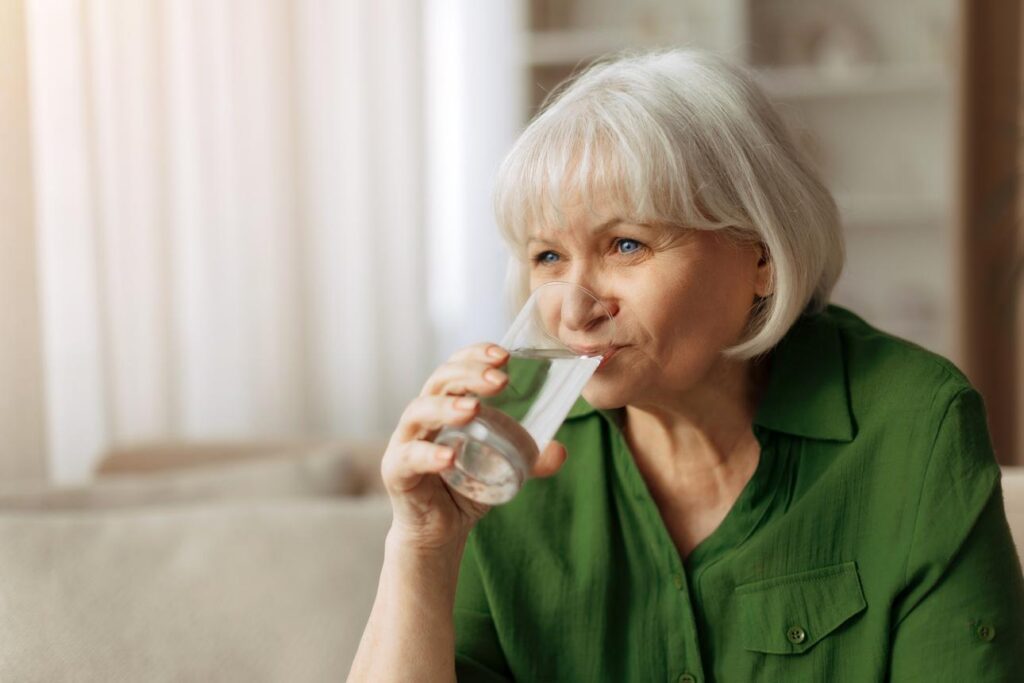
Drinking Water Temperature Introduction
Drinking Water Temperature. Warm, Cold or Room Temperature, Which Is Best for Older Adults?
One of my subscribers recently asked an interesting question:
“Is it healthy to drink cold water first thing in the morning, or should it be warm or room temperature?”
Like many health topics, a quick search online produces a confusing mix of answers. Some experts recommend warm water, others prefer room-temperature water, and some claim cold water is best.
So what does the evidence actually tell us?
The Good News

Drinking Water Temperature. For most healthy older adults, the temperature of the water matters far less than simply drinking enough of it.
Whether you prefer your water cold, warm, or at room temperature, staying properly hydrated is one of the simplest and most important things you can do for your health.
Water helps to:
- Support healthy circulation
- Regulate body temperature
- Aid digestion
- Lubricate joints
- Maintain energy levels
- Support kidney function
The body needs water every day regardless of its temperature.
What About Cold Water?

Drinking Water Temperature. Many people enjoy a glass of cold water first thing in the morning.
There is no strong scientific evidence that drinking cold water is harmful for most healthy adults.
In fact, cold water can:
- Feel refreshing
- Help cool the body in hot weather
- Encourage some people to drink more fluids
However, some individuals find very cold water uncomfortable, particularly if they have a sensitive stomach or digestive issues.
What About Warm Water?

Drinking Water Temperature. Warm water has been used for generations and many people find it soothing.
Some believe it improves digestion or helps “detoxify” the body.
While warm water may feel comforting, there is little evidence that it provides major health advantages over cold or room-temperature water.
That said, if you enjoy warm water, there is no reason not to drink it.
Room-Temperature Water

Drinking Water Temperature. Room-temperature water is often considered the middle ground.
It is easy to drink and may be more comfortable for some people, especially first thing in the morning.
Again, there is no strong evidence that it is significantly healthier than cold or warm water.
When Water Temperature Might Matter

Drinking Water Temperature. Although most older adults can drink water at any temperature, there are situations where personal preference becomes important.
You may prefer:
- Warm water in cold weather
- Cold water after exercise
- Room-temperature water if you have a sensitive stomach
The best choice is often the one that encourages you to drink enough water throughout the day.
Practical Advice for Older Adults
Drinking Water Temperature. Rather than worrying too much about water temperature, focus on:
Staying hydrated when exercising
Drinking regularly throughout the day
Having water available and easy to reach
Drinking before you become very thirsty
Increasing fluid intake during hot weather
Recommended Reading

In Conclusion
Drinking Water Temperature. The internet is full of conflicting advice about water temperature, but the reality is surprisingly simple.
For most older adults, cold water, warm water, and room-temperature water are all perfectly acceptable choices.
The most important thing is not the temperature of the water—it is making sure you drink enough of it.
Choose the temperature you enjoy most and are most likely to drink consistently.
After all, the healthiest water is the water you actually drink.
What do you prefer? Cold, warm, or room-temperature water? Let us know in the comments below.
Important Note *
Remember that everyone is different, it is ultimately YOUR RESPONSIBILITY to find what your body responds to. So please do your due diligence before trying anything new, including getting Medical Advice to ensure your safety and peace of mind.
Connect with me and leave a comment